
Financial Tips and Tricks You Can Use to Save Money on Almost Everything
Whether you choose to go to college, university, or straight into the world of work, most education that we receive as young adults is related to a particular career path or academic discipline. This means we may have skills including how to manage a project, write some sales copy, perfectly cook a steak, or build a wall, but not for other important parts of our lives.
One key area we’re not taught about is how to manage our finances, despite it being one of the most crucial parts of living in our modern world.
According to the BBC, a study conducted in 2016 showed that over 16 million people in the UK didn’t even have £100 of savings. This means that around half the population doesn’t have enough put away for a rainy day or their future.
There are, of course, many reasons why that could be the case. Repaying debt is expensive, as are travel and other living costs. For many though, it’s simply because they don’t know how to save.
If that’s you, there are some useful tips and tricks that you can use to cut your spending on almost everything.
Find Promotional Offers
Companies use promotions and sales to try to encourage you to spend more than you would otherwise do. A key part of saving money is to make sure you don’t fall for their tricks, and only buy and spend when you planned to anyway.
If you are planning to spend money though, then you should always take advantage of any promotions. If you’re shopping online, this is really easy to do. Before you head to the checkout, use sites like Vouchercodes, hotukdeals, or MyVoucherCodes to see if there are any coupons you can apply to your basket.
You will be surprised how many sites offer voucher codes that you can use to save money, with major hotel chains like Travelodge and pharmacy brands like Boots publishing them regularly.
Some promotions don’t need a voucher code. For example, many online bookmakers offer free bets to new customers which you can use by signing up and meeting the offer requirements.
Research and Compare Prices
The internet has made it possible to compare prices for just about anything and everything. There are sites like MoneySuperMarket and Go Compare that can be used to find cheaper insurance, utility providers and loans.
If you’re looking to book flights or hotels, sites like Skyscanner and trivago can compare deals from dozens of different providers to help you get value for money when you travel.
There are also sites like Kelkoo and Google Shopping which can find you the best price for just about any product you can buy online.
Alongside this, there are several services that help you look at the price history of products to see if you’re getting a good deal. For example, Keepa can show you the previous prices of Amazon products and alert you when it drops again. Savelist is another service that offers this but it offers its services for other retailers too.
Haggle and Barter
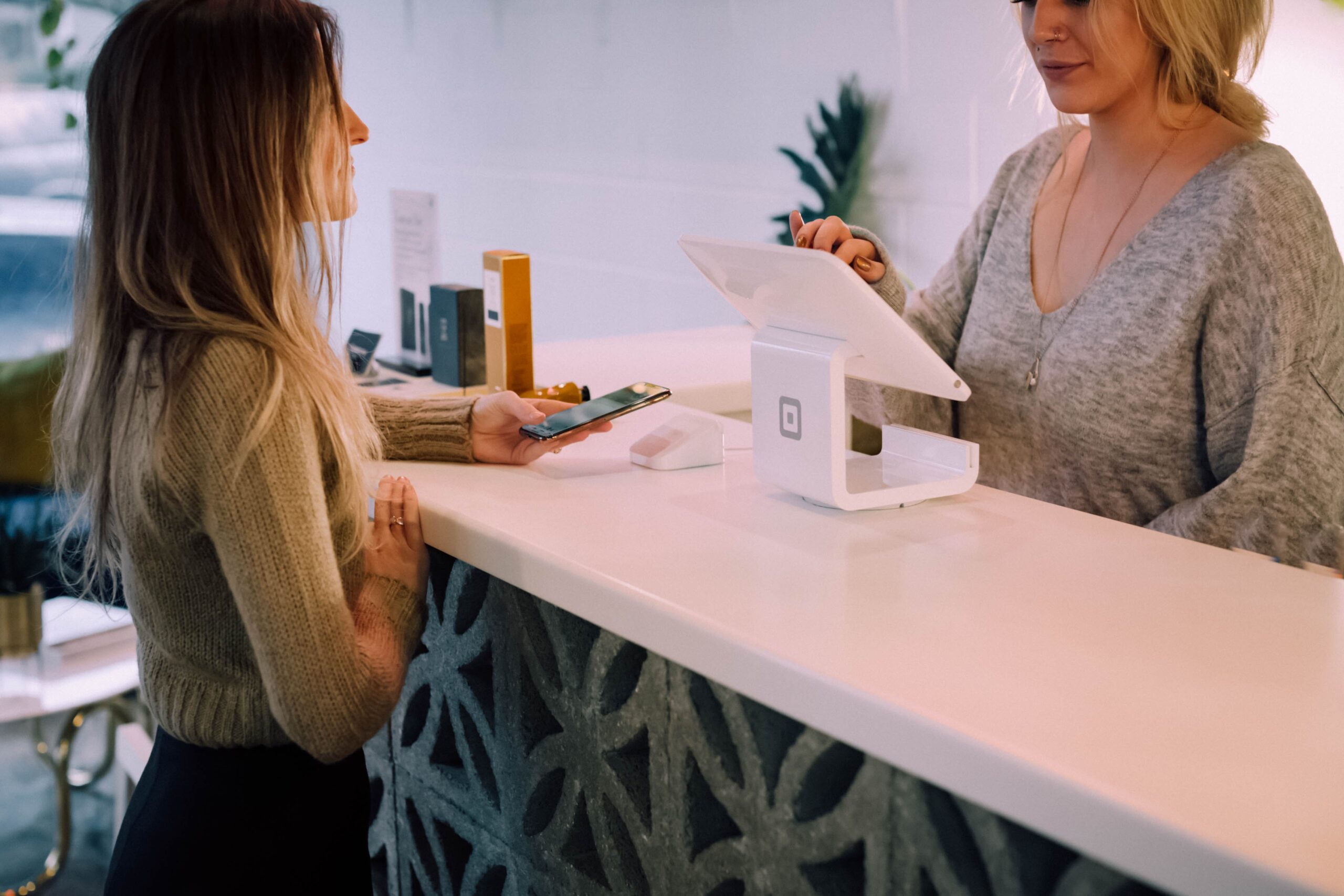
When you’re buying in person, there are ways you get the price down too. For many people, haggling with salespeople over the price is a sport that they enjoy. For others, the mere thought of trying to ask for a discount makes them break out into a cold sweat.
There are some scenarios where haggling is seen as normal, such as when we make big purchases like a car or a house. However, there are often other times where it’s possible to get the salesperson to knock the price down a little.
Bartering with market traders is common, as it is when you’re looking to buy at a car boot sale. But you can also haggle in major retailers when buying expensive electronics, sofas, beds, and other such products.
Some stores will give their salespeople some wiggle room to negotiate with customers, while others won’t. The only way to find out is to ask and see how you get on.
The key to success in haggling is to be polite and not make any demands. Many will try to say “I have been a customer of X shop for years”, but this won’t cut the mustard in most shops as your custom on its own it’s negligible to them.
Instead, try to use the services above to show them it’s cheaper elsewhere, or say it’s slightly over your budget but you could buy it today if it was £X.
Don’t get angry if they refuse, and if you aren’t happy with the price just say “you’ll think about it and come back”. That way you won’t be embarrassed if you can’t find a better price elsewhere and need to return.
Cashback Websites
Whether you’re buying online or in-store, there are ways to earn some cashback on your spending. There are several popular cashback websites in the UK, including Quidco, Topcashback, and OhMyDosh that offer great rates from many major brands.
To use them, you simply visit the cashback site before you shop online. The company you buy from then pays the site a commission that they share with you.
It works similarly with in-store cashback, though you may have to link your credit or debit card to your account or upload receipts from your purchases.
If you use it for all your online shopping, you can save hundreds of pounds each year.
Cashback Credit Cards
Sometimes, it’s not possible to find a promotion, a voucher code, a cheaper alternative, cashback, or to haggle the price down. That doesn’t mean you have to pay full price still.
If you have a cashback credit card, you can earn a small rebate on your spending in almost any shop whether they’re online or on the high street.
Cashback cards are not as lucrative as they were a few years ago, but earning something back is better than nothing at all, so they’re still worth having. American Express often has the best rates, which can sometimes be as high as 5%.
Other cards can be found from supermarkets, who typically offer more cashback on purchases in their stores than elsewhere. Although the rates are likely to be less than 1%, you could still earn a sizeable chunk of cash from your everyday spending.