How to Find the Right Furnace Filter for Your Furnace
When the heating system in a home is active, hundreds of cubic feet of air are circulated throughout the building every minute. Cool air is pulled into the furnace and brought to the desired temperature. Then the heated air is blown through the building’s ductwork with a powerful fan and vented into each room. As the air cools, it is pulled back into the furnace and repeats the cycle.
As it circulates, the air picks up and carries with it dust, dirt, pollen, and other pollutants that can threaten the health of occupants. To minimize the number of potentially harmful particles and allergens repeatedly vented into your living space, your system needs a furnace filter. Typically, not just any filter will do, either.
To achieve the best results, it’s important to ensure that the filter is the correct size and rating for your equipment and that it is changed regularly to maintain its effectiveness. Below, we’ll discuss the variables involved in selecting the correct furnace filter and how to match the filter to the needs of the system and your home.
Why Change the Filters in Your Furnace?
As we’ve pointed out, your home’s HVAC system is extremely powerful, capable of heating and circulating vast amounts of air and, with it, pollutants and impurities. This can lead to a dramatic reduction in indoor air quality, as these microscopic particles can exacerbate allergies, asthma, and other respiratory conditions. Indoor pollutants can also negatively impact human health in other ways, such as contributing to chronic illnesses, like COPD, and even life-threatening conditions, including heart disease and cancer.
Most of the particles that cause indoor air to become contaminated are microscopic in size: dust, pollen, and pet dander are barely detectable by the human eye, and chemical pollutants such as radon and aerosolized cleaning agents may not be detectable at all. The only way to capture and eliminate the majority of these substances from the air is through the use of an effective filtration system: a high-efficiency filter installed in a location where it can capture the most particles before they are distributed throughout the building.
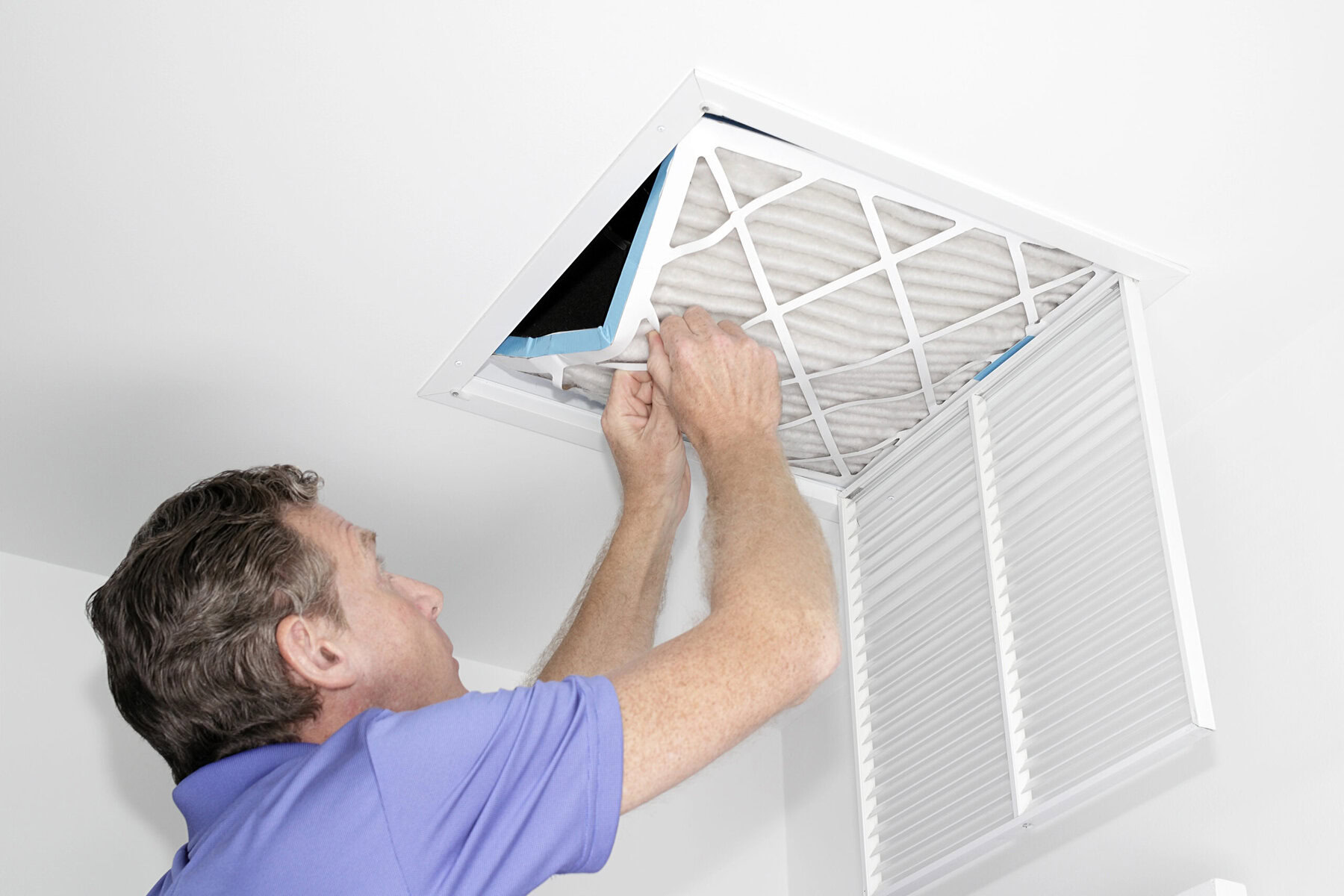
As these filters are used, however, the debris and contaminants begin to accumulate. Over time, they can build up enough to reduce the effectiveness of the filter itself, blocking the flow of air and reintroducing irritants into the indoor environment. This can be prevented by periodically cleaning or replacing the filter, a task which, depending on the system, can either be performed by the homeowner or a technician from an HVAC company like All Weather Heating & Cooling.
When to Change Your Furnace Filter
Furnace filters should be cleaned at least once every few months and more often during times of high use, such as the winter months. Filters should be replaced entirely at least once every year or so. However, you may need to replace the filter more often if your home has increased contamination. For instance, if you have multiple pets, someone smokes in the home, or construction work is taking place.
Know Your Filter Size
When it’s time to replace your furnace filter, you must install the correct size. The key factor influencing the size of the filter is, unsurprisingly, the size of the furnace itself, which is often smaller or larger depending on the dimensions of the building. Selecting the correctly sized filter for your furnace is crucial. The wrong size will hamper the overall effectiveness of the filtration system and, in turn, the HVAC system overall, leading to an increase in energy costs.
Furnace filter sizes are represented by three numbers: the length, width, and thickness of the filter. These numbers are printed on each filter in that order. For example, a filter with a length of 16 inches, a width of 25 inches, and a thickness of 1 inch will have “16x25x1” printed on its side. To swap out a filter, simply replace it with a new one that matches the dimensions of the original.
It’s important to note that the stated dimensions are the nominal size, not the actual size. This means they have been rounded up from the original measurements. For example, the length of a filter may be closer to 15.75 inches, but it will be rounded up to 16 for the printed dimensions. This is helpful to know if you are shopping for a new filter without a used one to compare it to. Measure the dimensions of the filter slot with a tape measure and round them up for an accurate estimate of the required filter size.
What Is a MERV Rating?
The length and width of the filter are determined by the size of the furnace, while the thickness is largely a consequence of its MERV rating. MERV refers to the filter’s Minimum Efficiency Reporting Value and is a measurement of its overall ability to capture particles of various sizes. MERV ratings run from 1 to 20.
A filter with a high MERV rating is extremely efficient and can capture a wide range of different types of particles. A lower rating, on the other hand, won’t be as effective in doing so. In most homes and commercial buildings, a MERV rating of 8 to 13 is common.
The reason high-efficiency filters aren’t used in every situation is due to the tradeoff in size and thickness. Necessarily, more efficient filters require more filtering paper than less efficient filters. In other words, they must be thicker. Extremely high-efficiency filters, with MERV ratings greater than 14, may sometimes be several inches thick, necessitating additional space and, potentially, a custom setup to facilitate installation. A thicker filter may also restrict the flow of air throughout the building, forcing the system to work somewhat harder to perform its heating functions.
Generally speaking, most buildings only require a MERV rating of around 8. This is high enough to filter out 90 percent of the most common pollutants in most buildings: dust, dirt, pollen, and pet dander. For smoke, cleaning agents, and other chemical pollutants, a higher MERV rating is required. These more powerful filters are used in commercial buildings with many pollutants present or in homes with residents who have allergies or other sensitivities or health conditions that may be exacerbated by environmental contaminants.
In Summary
To ensure you find the correct filter for your system, consider the requirements of your building and its inhabitants. Match the size correctly and, most importantly, invest in regular maintenance and filter replacement from a trusted HVAC professional.