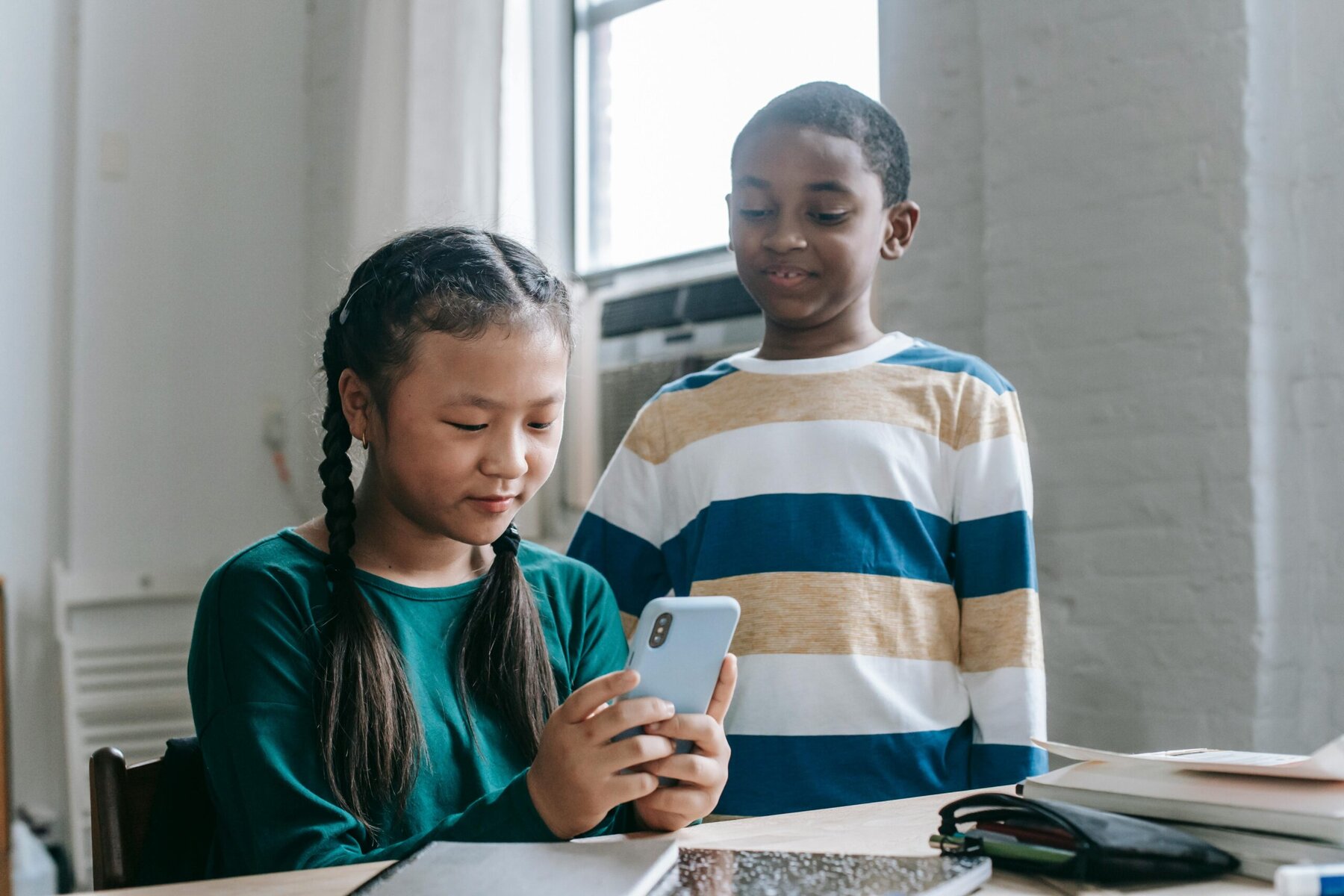
Teaching Your Child to Use Social Media Safely
In today’s digital world, social media plays a huge role in children’s lives. Platforms like Instagram, TikTok, and Snapchat are popular ways for youngsters to connect, share, and express themselves. While social media can be a fun and educational tool, it also comes with risks that parents should help their children navigate. Teaching your child to use social media safely is essential for their wellbeing and online confidence.
Start With Open Conversations
The first step is creating an open environment where your child feels comfortable discussing their online activity. Ask about the platforms they use, who they interact with, and what content they enjoy. Listen without judgement and share your concerns calmly. Children are more likely to follow guidance when they understand the reasons behind it rather than being restricted by arbitrary rules.
Set Clear Boundaries
Establishing boundaries is key to safe social media use. This can include setting time limits, agreeing on which platforms are appropriate for their age, and discussing what content is acceptable to post. Explain that once something is shared online, it can be difficult to remove completely, and that their online reputation can follow them into adulthood. Encouraging a healthy balance between online and offline activities helps prevent overuse and reduces exposure to harmful content.
Educate About Privacy
Privacy settings are one of the most important tools for keeping children safe online. Teach your child how to adjust settings so that only trusted friends can see their posts. Discuss the dangers of sharing personal information, such as full names, addresses, or school details. Encourage them to think critically before accepting friend requests or interacting with strangers online. By understanding privacy risks, children become more responsible digital citizens.
Encourage Critical Thinking
Social media is full of images, videos, and messages that may not always reflect reality. Encourage your child to question what they see online and to recognise that people often present idealised versions of their lives. Discuss the impact of cyberbullying and how to respond to negative comments safely. Teaching children to verify information, avoid online arguments, and report inappropriate content helps them navigate social media responsibly.
Lead by Example
Children often mirror adult behaviour, so it’s important to demonstrate healthy social media habits yourself. Show them how you use privacy settings, interact respectfully with others online, and take breaks from screens. Sharing your own experiences with social media can be a practical way to teach lessons without sounding like a lecture.
Keep Communication Ongoing
The online world evolves rapidly, and children’s use of social media will change as they grow. Regular check-ins allow you to address new challenges and celebrate positive experiences. By maintaining an ongoing dialogue, you create trust and encourage your child to turn to you if they encounter any difficulties.
Social media doesn’t have to be a source of worry. By equipping your child with the right tools, knowledge, and guidance, you can help them enjoy the benefits of connecting online while staying safe and confident in the digital world.


