The Benefits of Coding Lessons in Schools
Coding has transformed from a niche skill for computer specialists into an essential literacy for the 21st century. Schools increasingly recognise that teaching coding is not about producing programmers; it is about developing critical thinking, problem-solving, and creative skills that children will use regardless of their career path.
Understanding Coding in Schools
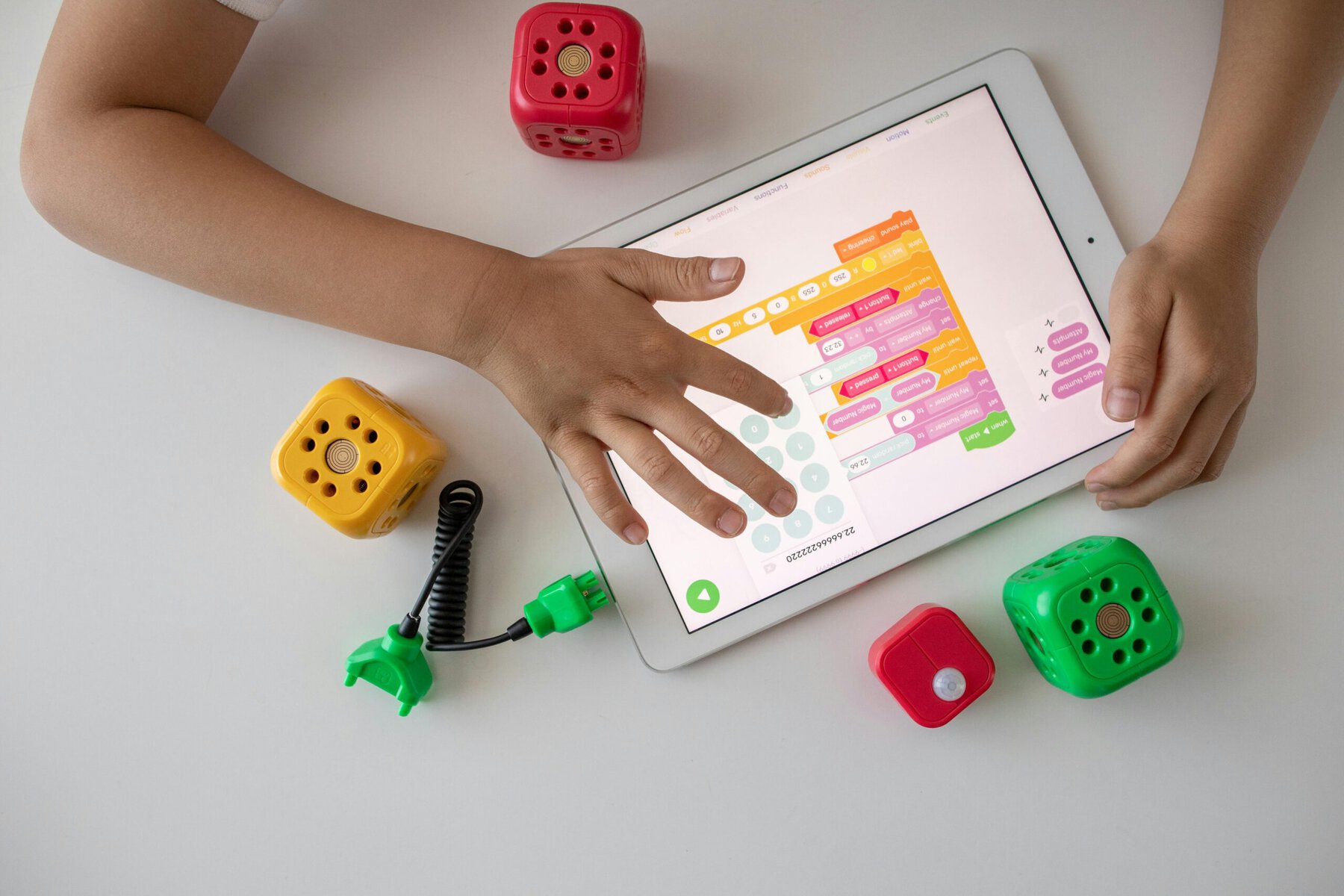
What is coding in a school context? It is not sitting silently typing commands into a computer for hours. Early coding education uses visual programming languages, block-based platforms, and interactive games where children see immediate results from their actions. Children drag blocks together to create sequences, teaching the computer to do what they want. This instant feedback loop is powerful and engaging.
The Cognitive Benefits of Coding
The cognitive benefits are well-documented. Coding teaches computational thinking, a way of breaking complex problems into smaller, manageable parts and finding patterns. This applies far beyond programming. A child learning to code develops logical reasoning and learns to think systematically about problems. When code does not work, children learn to debug, to examine what went wrong and try a different approach. This resilience and problem-solving mindset transfers across all subjects and life challenges.
Coding builds creativity in unexpected ways. Creating a game or animation requires planning, design choices, and creative problem-solving. Children must imagine what they want to create and work out how to make the computer do it. This combines technical thinking with imagination.
Key Benefits of Coding Education
- Problem-Solving Skills: Children learn to break complex tasks into steps and think logically about solutions.
- Persistence and Resilience: When code does not work, debugging teaches children to persevere and try different approaches.
- Creativity: Coding is a medium for creative expression, allowing children to build games, animations, and interactive stories.
- Confidence: Seeing their code work builds genuine confidence in children’s ability to create and control technology.
- Computational Thinking: This fundamental skill applies across maths, science, and everyday life.
- Future Career Readiness: Whether or not children pursue computing careers, coding skills are increasingly valuable across all sectors.
- Collaboration: Many coding projects involve teamwork, developing communication and cooperation skills.
Coding and Girls’ Education
For girls particularly, early exposure to coding challenges stereotypes and builds confidence in STEM fields. Girls’ schools like St Catharines, Bramley, recognise that introducing coding to all students, regardless of gender, opens possibilities and builds self-belief in young women.
Integration into the Curriculum
How schools integrate coding varies. Some use dedicated coding lessons using platforms like Scratch. Others weave coding into other subjects: maths, design, science. The most effective approaches make coding playful and exploratory for younger children, gradually introducing more complex challenges as they mature.
Supporting Coding at Home
At home, you can support coding learning without needing to be a programmer yourself. Scratch, Code.org, and Blockly offer free, age-appropriate coding environments where children can explore independently. Many games and apps subtly teach coding concepts. Supporting your child’s curiosity, celebrating their solutions, and resisting the urge to solve problems for them accelerates learning.
Coding education is not about creating a generation of programmers. It is about equipping all children with ways of thinking that will serve them in whatever field they choose. As technology becomes ever more interwoven with every aspect of life and work, teaching children to understand and create with technology is as essential as teaching them to read and write. Schools that prioritise coding recognise that they are developing thinkers and creators prepared for the futures these children will build.
About the Author: St Catharines, Bramley is an independent girls’ school dedicated to developing confident, capable young women prepared for success. St Catharines places STEM education at the heart of its curriculum, inspiring girls to become the innovators and leaders of tomorrow.


