5 Outdoor Learning Activities for Kids
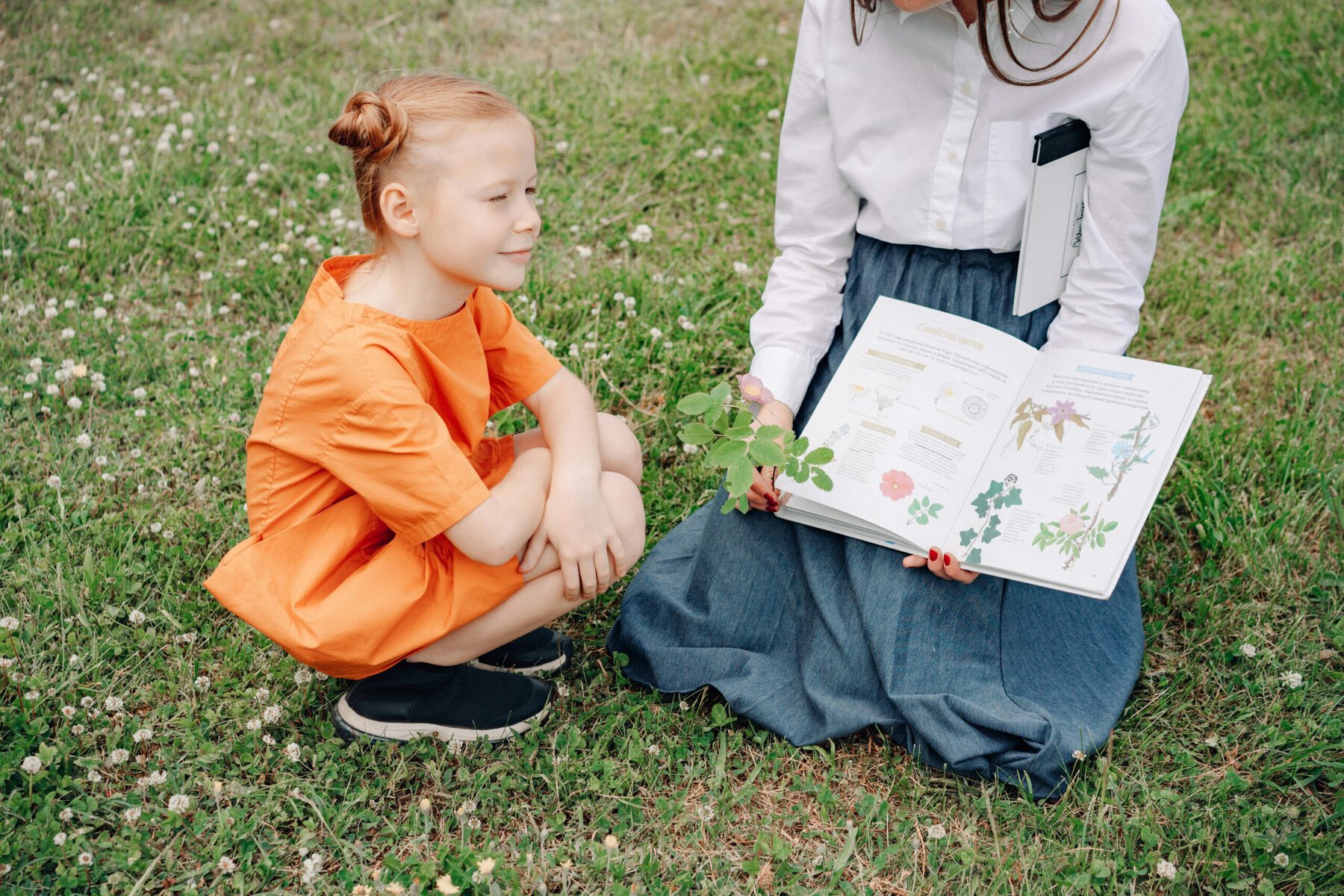
Outdoor learning reconnects children with nature while building resilience, independence, and genuine understanding. Classrooms have their place, but some of the most valuable learning happens outside, where children can experiment, explore, and discover at their own pace.
Nature Journaling and Observation Walks
Take your child on a slow walk through a park, woodland, or garden with a small notebook. Rather than rushing to a destination, stop frequently to observe. What insects do you see? How many different types of leaves can you find? Your child might sketch what they observe, write descriptions, or press leaves into their journal. This activity builds observational skills, patience, and scientific thinking. Nature journals become treasured records of seasonal change and personal discovery. Over months, your child develops a deeper relationship with a particular outdoor space and notices changes that others miss.
Outdoor Building and Engineering Projects
Give children natural materials (sticks, stones, mud, leaves) and challenges to solve. Build a shelter for toy animals. Create a dam in a stream. Design a bird feeder from recycled materials. These hands-on engineering tasks teach problem-solving, planning, and resilience. When a structure falls apart, children learn to troubleshoot and try again. Construction with natural materials is more forgiving than academic failure and builds confidence and creative thinking.
Seasonal Exploration and Collection
Each season offers different learning opportunities. In autumn, collect leaves and identify trees. In spring, observe life cycles as tadpoles develop or birds build nests. In summer, study insects. In winter, investigate how plants and animals survive cold. Create a seasonal collection box where your child gathers samples, photographs, or sketches. This teaches observation, classification, and an understanding of cycles and systems.
Outdoor Cooking and Gardening
Growing food connects children to where food comes from and teaches biology, nutrition, and planning. Even a small container garden on a balcony works. Planting seeds, tending plants, and harvesting builds patience and responsibility. Outdoor cooking (even simple things like toasting bread on a stick or making trail mix) combines maths, planning, and sensory learning with the joy of eating something you have made yourself.
Take a map on your walk and try to navigate using landmarks and compass directions. Create your own maps of familiar spaces. Play geocaching, where you use GPS to find hidden treasures. These activities build spatial reasoning, problem-solving, and confidence in exploring new environments.
Outdoor Learning and School Support
These outdoor learning activities work beautifully within a structured educational programme. A prep school that champions outdoor education like Kew College integrates outdoor learning into the curriculum, recognising that real understanding grows when children engage with the world directly.
The benefits of outdoor learning extend far beyond academic skills. Children who spend time in nature show improved mental health, stronger focus, and greater resilience. They develop environmental awareness and a sense of wonder that motivates lifelong learning. Outdoor education is not a luxury or a reward for good behaviour; it is an essential part of childhood development.
Start small. A single outdoor activity each week can transform your child’s relationship with learning and the natural world. Watch how their confidence grows as they become more familiar and comfortable in outdoor spaces.
About the Author: Kew College is a respected prep school committed to holistic child development and outdoor education. Kew College recognises that learning extends far beyond the classroom and actively integrates nature and outdoor experiences into its educational approach.


