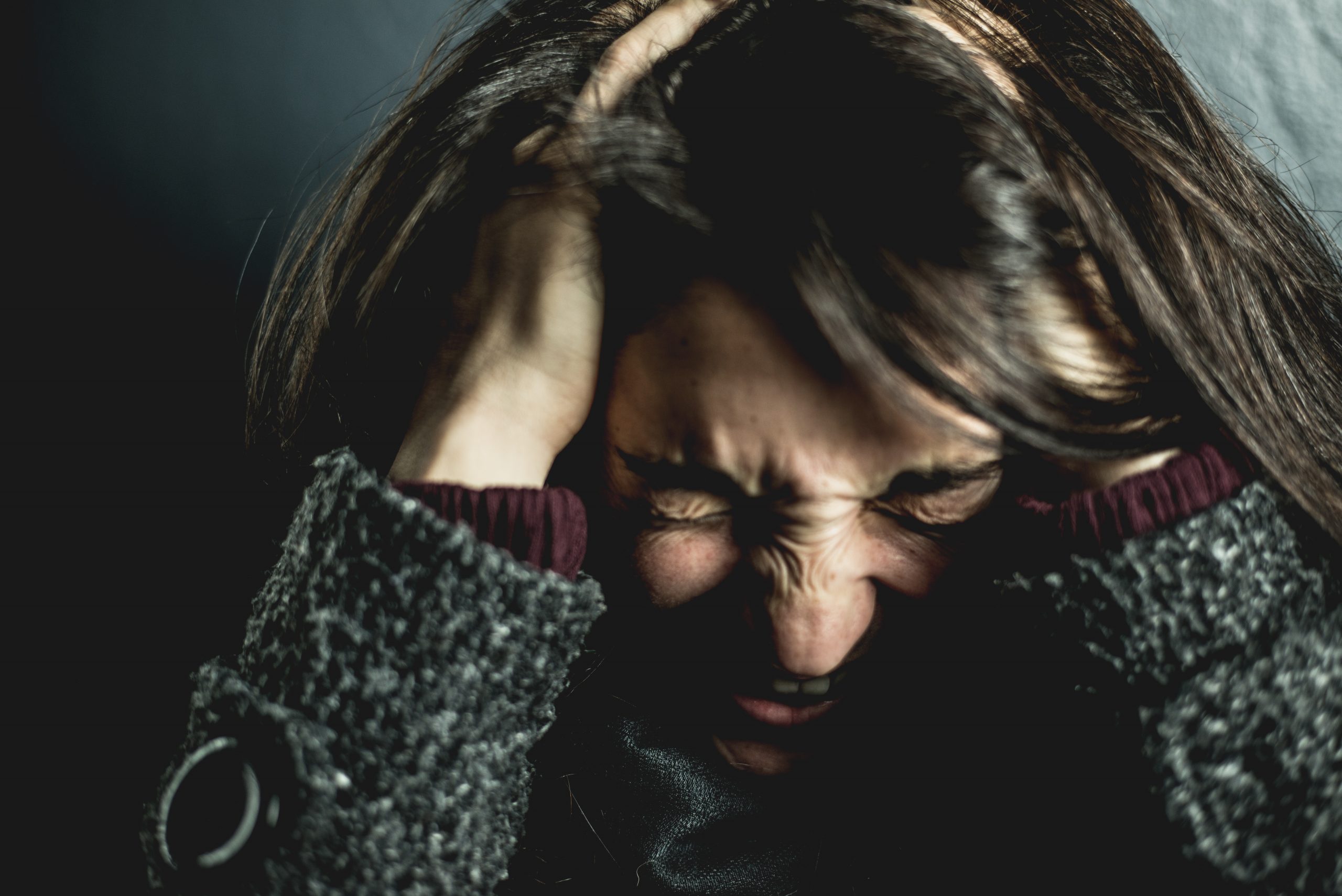
Coping with Migraines
A migraine is much more than a headache. Sufferers are coping with a complex headache disorder that can have a profound impact on every aspect of their life. In addition to severe headache, symptoms can include increased sensitivity to light or sound, anxiety, nausea, vomiting, and visual disturbances known as aura.
Migraine is typically an inherited condition that affects nearly 1 in every 5 women and about 1 in every 15 men. While this condition is common, it should not be taken lightly. It can have a severe effect on work, family, social life, and other daily activities. As of yet, there is no cure.
But, learning to recognize what triggers a migraine attack and how to cope with them when they arise can minimize the negative impact on daily life.
Making a few lifestyle adjustments can go a long way in mitigating the severity or frequency of headaches. Regular exercise and a balanced diet are at the foundation of any treatment plan. Limiting caffeine and alcohol, known triggers for many sufferers, may lessen symptoms too. Dehydration is one of the most common triggers, so be sure to drink plenty of water. Quitting smoking and adopting a stress management routine such as daily meditation is also helpful.
Coping With Migraines – Sleep and Diet
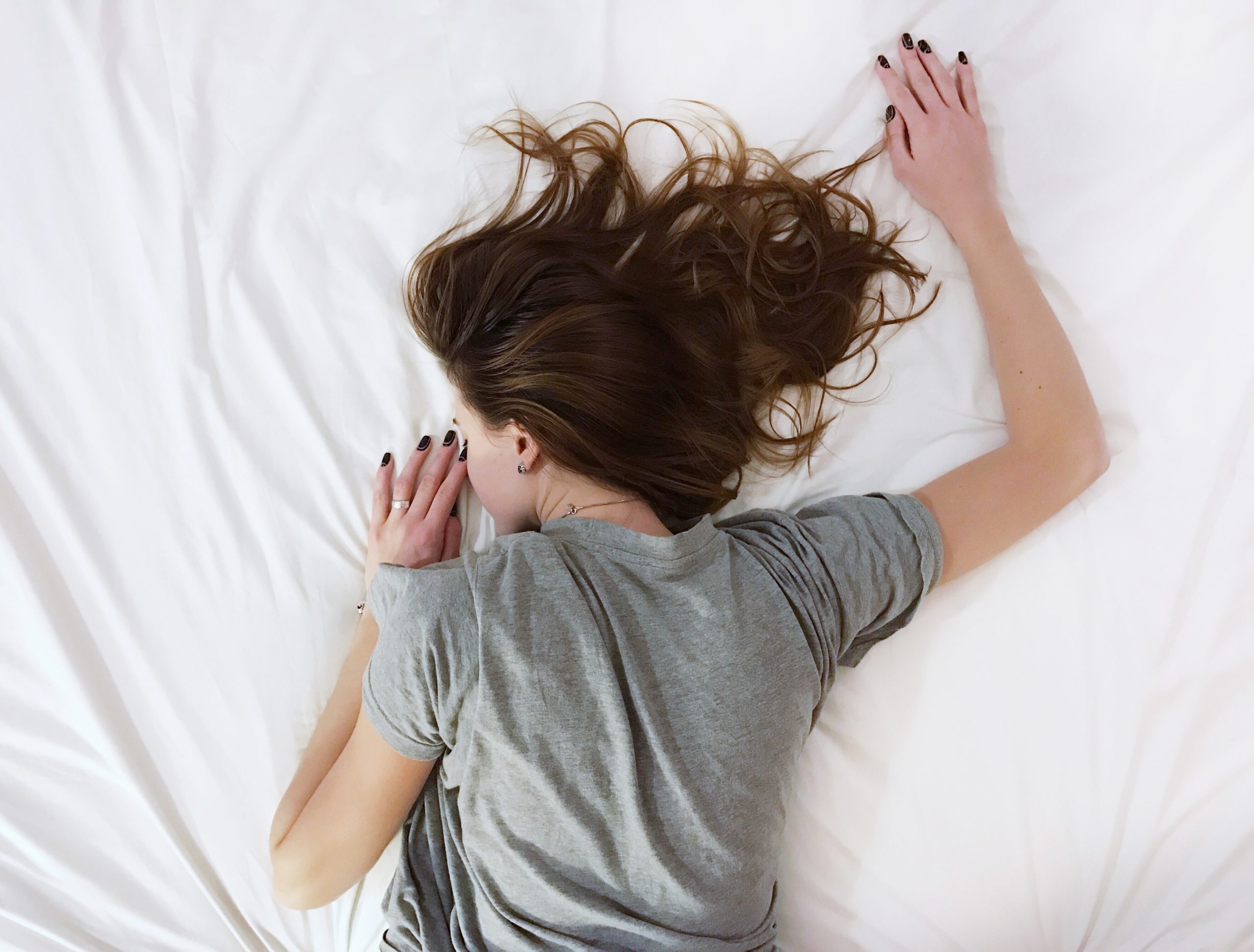
Another crucial aspect of coping with migraines is examining one’s relationship with sleep. Too little, or even too much sleep can be a trigger. Adopting better sleep habits will likely result in a decline in migraine frequency. Avoid staying up late to binge-watch a new series or to finish one more chapter of that book and instead stick to a regular sleep schedule with a consistent bedtime and wake-up time.
Eating and drinking earlier will prevent those late-night trips to the bathroom that interrupt dream time. Ensure that your room is sufficiently quiet, dark, and at a cosy temperature. Turn the air conditioner up or the heating down in order to find the ideal comfort zone.
Coping with Migraines – Using Heat and Cold Therapy
Speaking of temperature, hot and cold packs can be used to lessen headache pain during a migraine. Applying heat, such as a heating pad or warm shower, increases the blood flow and may, therefore, relieve some of the pain. However, this might not be useful to everyone – other sufferers may find a cold pack to be better, as discovered in this study of migraineurs.
Try relaxing with an ice pack or the old reliable bag of frozen peas on the forehead and temples for 15 minutes or so. You might have to experiment to find which is most helpful, as this depends on the individual.
Coping With Migraines – Triggers and Solutions
It may seem overwhelming at first to try identifying all of your triggers while also making significant adjustments to lifestyle and daily habits. The solution for all of this is to begin keeping a diary. Record how much sleep and exercise you’re getting. Record food intake (including missed meals), vitamins taken, and the timing of any medication you are on.
Women should include information regarding their menstrual cycle, as studies have found this can be a trigger too. Even taking note of the weather can be helpful. Drastic changes in weather patterns can trigger attacks in ways that might not be evident right away. These days, maintaining a migraine diary is as simple as downloading an app to your smartphone.
Many over-the-counter solutions exist and can alleviate headache pain when it arises. Although many sufferers may find that their symptoms are difficult to treat with these. Talking with a doctor about the severity, duration, and frequency of your headaches will help determine what medications may help control or prevent migraines.
Because migraines vary from person to person, there is no one size fits all solution. Take some time to learn your migraine’s patterns and triggers. You may find this can increase the quality of your daily life and lower the frequency of this painful condition.



Comments
I suffer from migraines and have found that most of them are triggered by bright lights. I make sure to wear sunglasses even when the sun is not actually shining. I also take daily beta blockers which have definitely reduced my migraines from being 1-3 days every week to one episode every month or so.
I used to suffer badly with migraines when I was a teenager. The cause was cheese. Over the years I finally narrowed it down to all cheese apart from Mozerella. I still get the odd one now when I am tired. The only things which helps is for me to dose my self up with painkillers and lie in a dark room x