How To Save Money When Buying A House
Aside from buying a car and paying for a luxury cruise, buying a home is probably one of the most significant expenses you will make in your life. No matter the size of your mortgage, you will likely be delving into your savings for the initial capital, and that’s just the beginning. After choosing and buying the house, there are all kinds of other expenses that follow. Stressful? Absolutely. Expensive? Astronomical. Still, there are ways to save money when going through the house buying process, so you may not have to say goodbye to all of your savings just yet.
How To Save Money When Buying A House
-
Look at your finances.
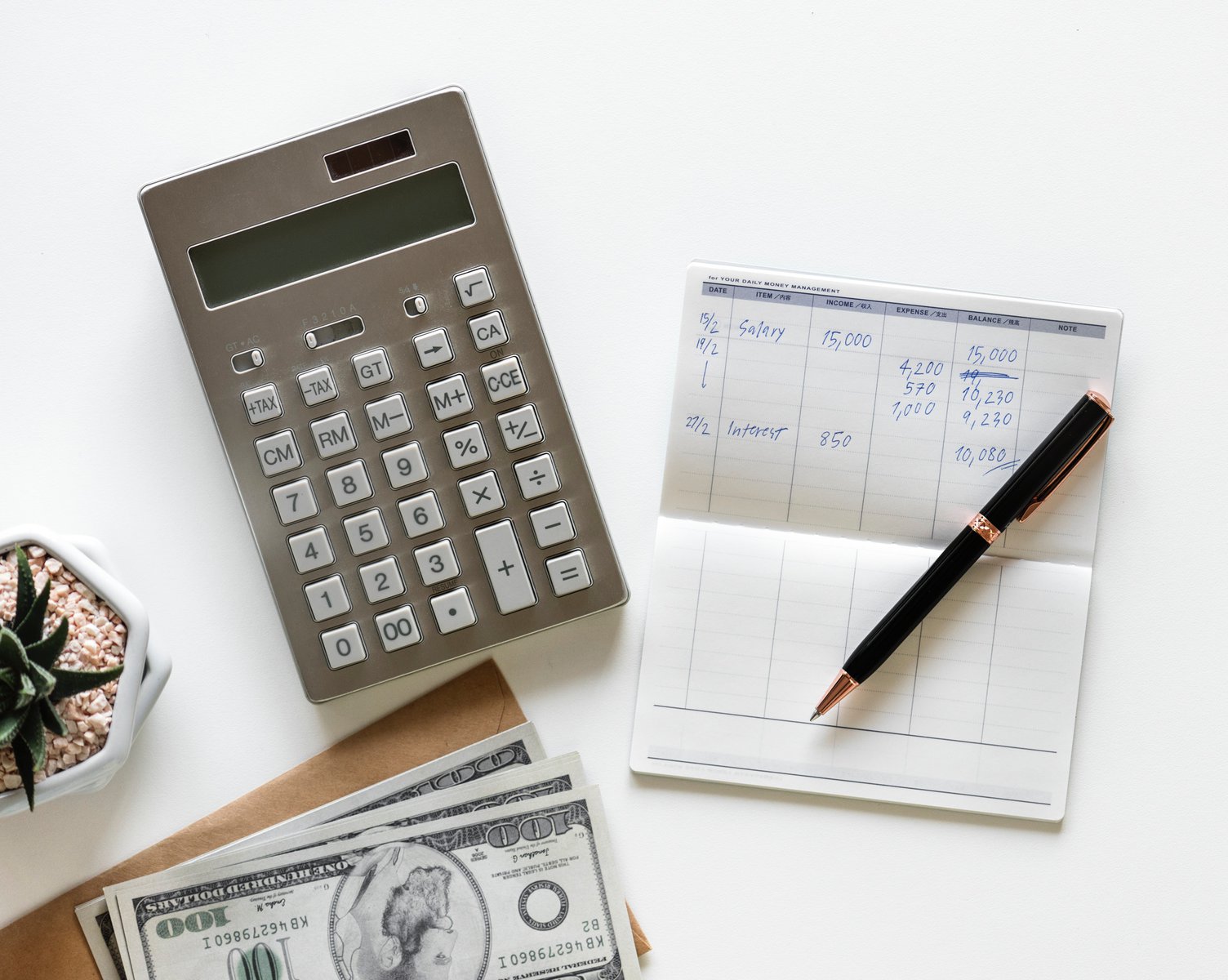
Before you do anything, give yourself a financial checkup. Know how much you can reasonably afford to put down as a deposit, and then use a mortgage calculator to work out the estimated cost of your monthly payment. As soon as you have an idea of your budget, you can start looking within your means. Be strong-minded, too, as you don’t want to be swayed by good-looking accommodation that is way beyond your budgetary limitations.

-
Look for the right house for you.
When you know how much you have to spend, start looking online at any available property. As we said, don’t be tempted by anything too expensive. Filter the search results on estate agent listings to make sure you only see the houses that you can reasonably afford. Suppose you choose to work with a local estate agent. In that case, you can further benefit from their extensive knowledge of the local area, such as finding Wilmington NC Homes for Sale. They will know where best to push your budget and when you can reasonably expect to see a bargain or get a better price for your house.
It’s wise to look ahead. Consider your needs too. If you have a family, you will need something to accommodate all of you, but if you are single or have no children, you should probably buy something smaller to reduce the costs further. If you intend to get married or start a family, you should probably go bigger this time around, as this will save you the unnecessary expense of moving again when your circumstances change.
-
Consider the factors driving house prices.
When buying a house, two significant factors affect the pricing. The first is locale, and the second is property type. When looking at location, properties in the countryside or at the more upmarket end of your town are going to see a hike in prices. If you can afford it, then fine, but if money is an issue, you may want to choose a locale that better suits your budget. However, after selecting the area you want to live in, you will notice that certain types of property are priced differently, no matter the locality. Detached or semi-detached houses are generally at the top end of the scale, while a resale HDB, apartment, or terraced house will fall at the lower back. Again, look at your budget when searching for property, and consider both factors when finding the perfect (and most affordable) home.
-
Think about buying a fixer-upper
If you are on a budget but want to buy in the top-end of town, consider buying a fixer-upper. It may not look great on the outside or the inside, but so long as you are committed to putting the work in, you may find there is less expense in repairs than buying something brand new in the same area. You can also fashion the property into something desirable, using your interior design ideas for the inside and texturing the exterior into something matching your tastes. Of course, if you don’t have a mastery of all things DIY, you should leave the work to a professional contracting team to ensure you don’t make matters more expensive through your own miscalculated and shoddy quality.
-
Shop around for everything

The internet is your friend, especially when it comes to comparing online prices. We have already mentioned the value of using a mortgage calculator when planning your budget, and this helpful tool will also help you find the best deals local to you. You see, while banks will make you jump through hoops when it comes to getting a mortgage, you can cut out some of the hassles by only going for those banks that offer a decent deal. Compare several different lenders using the online comparison tool, and then make appointments with each to see if you can cut down lending costs further. A little bit of haggling will get you a long way, as while banks can be awkward, they also want your business. You should also research estate agents. You need to watch out for all kinds of hidden fees, but an online search will give you an idea of which agents to choose and which you need to be wary of. Follow the same principle when saving money on insurance and utility costs when you have finally bought a house.
-
Think seasonally
The housing market fluctuates all the time, but you should find a significant difference in prices at certain times of the year. The highest prices are usually located within the Spring and Summer months when (for whatever reason) there is a higher demand from the consumer for housing. According to housing experts, you should do the sensible thing and buy something off-season during the winter months.
You may have found a bargain for a property, but remember the hidden costs that will dent your bank balance further. These include legal fees, land tax, mortgage broker’s fees, the aforementioned estate agent fees and, of course, the cost of a removal service. Therefore, quell the temptation to buy until you have factored in those extra expenses. Again, shopping around for quotes from some of these people will help, though you won’t be able to negotiate a better deal for taxes unless you decide to live in a lower-banded area.
Final thoughts
If the cost of buying a house puts you off from stepping foot into the housing market, then we wouldn’t blame you if you decided to rent instead. Still, savings can be made, so follow our tips and then speak to professionals in the housing business for other, more qualified advice.