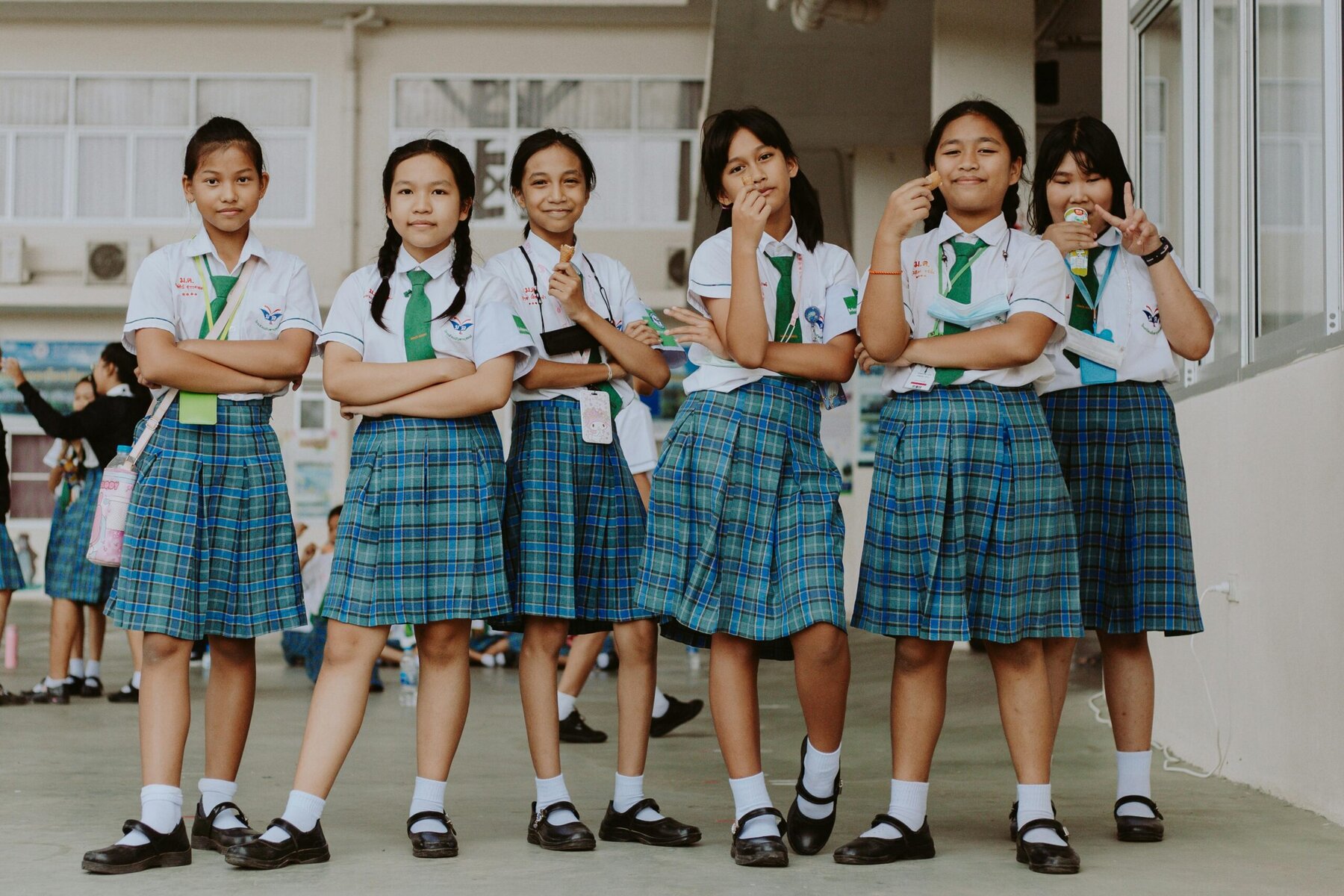
Why is School Uniform so Important for Children?
School uniform has been part of British education for generations, and while it sometimes sparks debate, its value for children remains significant. Uniforms do far more than create a tidy appearance. They help shape school culture, support learning, and guide pupils towards positive habits that benefit them well beyond the classroom.
For further guidance on expectations and responsibilities, families can also refer to standard prep school policies, which outline how uniform supports daily school life.
Creating a Sense of Belonging
A school uniform helps children feel that they are part of a shared community. When everyone dresses in the same colours and styles, it reduces visible differences and creates a sense of unity. This sense of identity encourages children to take pride in their school, their classmates, and their achievements. Feeling part of a team can be especially reassuring for younger pupils who are still finding their feet.
Uniforms can also improve social integration. Without branded clothing or fashion trends to compare, children are less likely to feel judged on their appearance. Instead, they are encouraged to connect based on personality, common interests, and learning, which helps strengthen friendships and build a more inclusive environment.
Reducing Everyday Stress
Parents and carers often appreciate school uniforms because they simplify daily routines. Children do not need to decide what to wear each morning, and families don’t need to worry about buying expensive outfits to keep up with trends. A set uniform removes the pressure of fashion competition, making mornings easier and more predictable for everyone.
For pupils, especially those who are more anxious or sensitive to social pressures, uniform offers comfort. Knowing exactly what to wear each day means one less thing to worry about. This consistency supports children in focusing their mental energy on schoolwork and personal growth.
Encouraging Focus and Discipline
Uniform contributes to a sense of purpose. Wearing smart, consistent clothing helps children switch into a learning mindset. There is a clear difference between “school mode” and leisure time, and this routine promotes a disciplined approach to education. When pupils feel prepared and organised, they are more likely to engage positively with their lessons.
Teachers often find that uniform supports good behaviour too. With fewer distractions or disagreements about clothing, classrooms tend to be calmer and more focused. Schools can then dedicate more time to learning rather than managing attire-related issues.
Promoting Equality
Uniform plays an important role in levelling the playing field. Without it, children may arrive dressed in clothing that varies widely in price, style, or condition, which can unintentionally highlight differences in family circumstances. Uniform helps reduce this divide by giving everyone a consistent appearance.
This sense of fairness can improve self-esteem and reduce the risk of teasing or exclusion. When children feel equal and accepted, they are more confident, more motivated, and more comfortable participating in school life.
Preparing Children for the Future
Wearing a uniform teaches responsibility and self-respect. Children learn to look after their clothing, present themselves neatly, and understand when formality is appropriate. These small habits contribute to lifelong skills that will serve them well in future education, employment, and social settings.
In short, school uniform is far more than a dress code. It supports wellbeing, encourages equality, and nurtures a positive school culture where every child can thrive.


