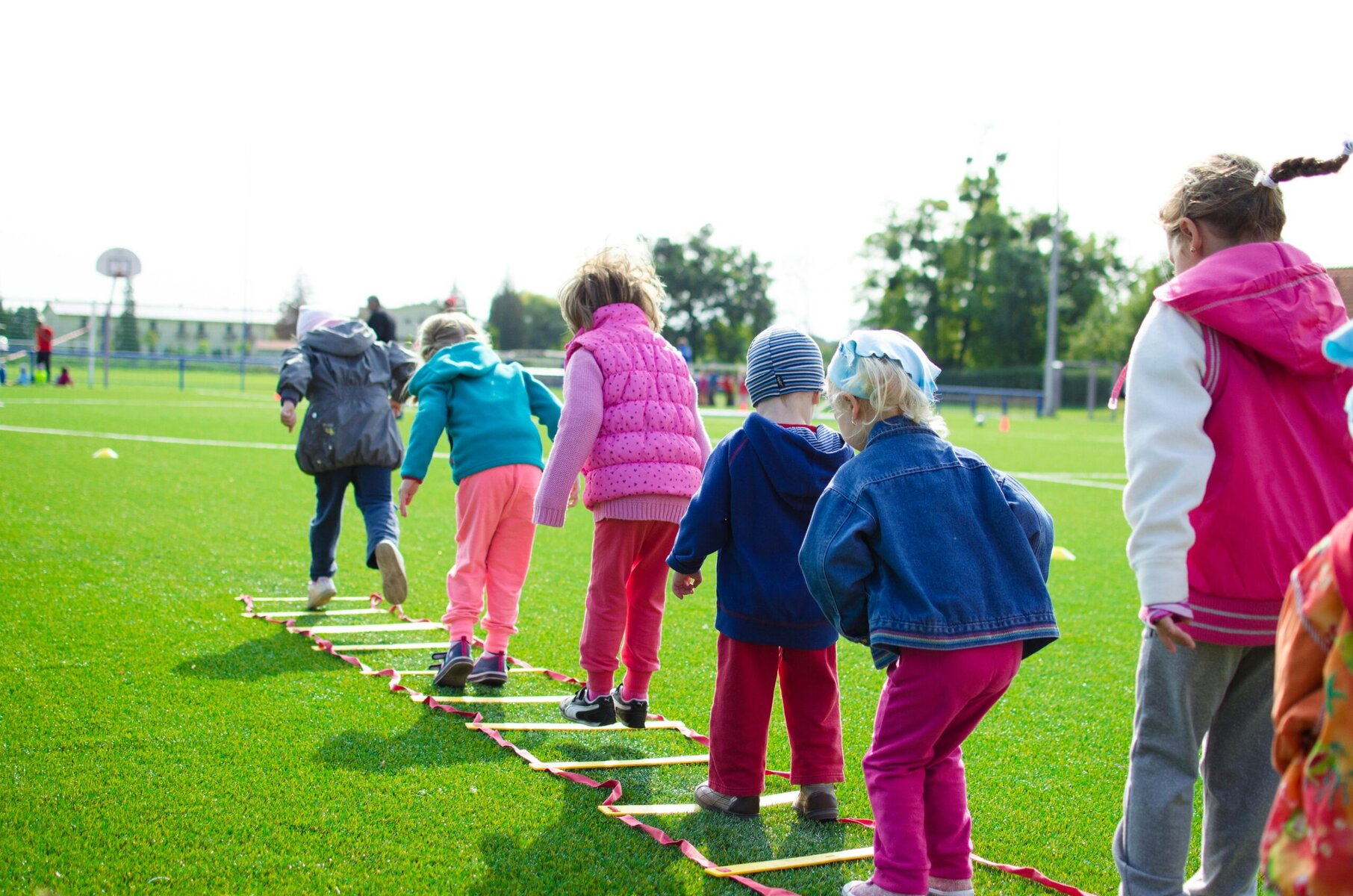
How Co-curricular activities foster resilience, curiosity, and confidence in students
Education extends far beyond the classroom. While academic learning forms the foundation of a child’s development, co-curricular activities play an equally vital role in shaping well-rounded individuals. From sports and drama to debating, coding clubs, and music, these activities provide students with opportunities to explore their interests, overcome challenges, and build essential life skills. Here’s more, inspired by the teachings of this independent school in London.
Building Resilience Through Challenge and Teamwork
Resilience—the ability to recover from setbacks and adapt to new situations—is a quality that serves students throughout their lives. Co-curricular activities often require perseverance and problem-solving, helping pupils learn to stay calm under pressure and push through difficulties.
In sports, for example, losing a match can be a valuable learning experience, teaching students to accept defeat gracefully, analyse what went wrong, and try again. Similarly, performing arts encourage persistence; memorising lines or perfecting a musical piece takes time, patience, and practice. These experiences cultivate emotional strength, showing students that success often follows effort and resilience.
Group activities also help children learn from one another. Being part of a team encourages accountability, cooperation, and empathy, all of which contribute to a resilient mindset.
When challenges arise, students learn that working together and supporting one another often leads to the best outcomes.
Encouraging Curiosity and a Love of Learning
Co-curricular activities allow students to explore areas beyond the traditional curriculum, sparking curiosity and creativity. Whether they’re experimenting in a science club, exploring different cultures through a language society, or learning to play chess, pupils have the freedom to discover what excites them.
This sense of curiosity encourages independent thinking. Students begin to see learning not as a chore, but as something inherently enjoyable and rewarding. They are more likely to ask questions, take initiative, and seek out new experiences. This curiosity often spills over into the classroom, inspiring deeper engagement with academic subjects and a lifelong love of learning.
Schools that value co-curricular engagement demonstrate to students that knowledge is not confined to textbooks—it’s a living, breathing part of the world around them.
Nurturing Confidence and Self-Belief
Taking part in co-curricular activities helps students develop self-confidence by allowing them to step outside their comfort zones. Performing on stage, competing in a sports tournament, or presenting at a debate all require courage. Each small success—whether winning a match or mastering a new skill—builds self-esteem and reinforces the belief that effort leads to improvement.
These activities also give students a voice. Leadership roles in school councils, eco clubs, or team captaincies empower them to make decisions, express opinions, and take responsibility. This not only boosts confidence but also prepares them for future academic and professional challenges.
Developing the Whole Child
Ultimately, co-curricular activities are not just “extras”; they are integral to developing well- rounded, emotionally intelligent, and confident young people. They teach resilience through challenge, curiosity through exploration, and confidence through achievement.
By participating in a variety of activities, students gain a deeper understanding of themselves and their abilities—learning lessons that extend far beyond the school gates. In doing so, they develop the essential character and life skills needed to thrive in an ever-changing world.


