
I Am An Introvert. I Don’t Owe You My Voice
Throughout school, one thing that was consistent on my school reports was that I was quiet. Needs to talk more. Can be better with more engagement in class and speaking up.
Not once did any teacher let me know it was OK that I wasn’t loud. That I wasn’t one of the more outgoing and gregarious members of the class. Not one of them. Time and time again. Like many introverted children, I was forced and pushed to do things that made me physically uncomfortable.
Speaking in front of the class. Doing group presentations, forced participation as a punishment for simply being quiet. Over and over and over again. This pattern fuelled my anxiety so much I had out of control panic attacks day after day after. Partly due to bullying. Partly due to being forced to be much more vocal and more visible than I wanted to be in school.
This pattern was pounced upon at home, and I was forever told I needed to be more sociable. Talk to others more, make friends. But I was more than OK not making more friends, just being myself and having my head stuck in a book.
The reinforcement that there was something wrong with me for being shy and quiet was loud and uncomfortable.
I didn’t want to be the life and soul of the classroom. I didn’t want people looking at me, and I despised how I was wrong for feeling this way.
But back then, in the 90s, there wasn’t as much acceptance of introverts as there is now. What was once a personality trait that was deemed bad is now something that is accepted.
Over the years, I have put a lot of effort into mimicking how other people interact and start conversations. I struggle with initiating conversations, and in the wrong atmosphere, my anxiety will cause me to retreat into myself and avoid interacting with other people. Get me on a good day where I feel comfortable, and I will talk your ear off. If not, I will most definitely come across as aloof, stuck up, shy, snotty, and any other word you choose to describe someone who doesn’t feel comfortable in their surroundings and struggles to meet societal norms.

But I am an introvert. And I do not owe anyone anything.
It has taken me a long time to come to terms with this. To put two and two together and realise that my chosen career in retail and ‘peopling’ as I call it is the main reason why I feel drained when leaving work and prefer to spend a lot of my free time alone. As a woman coming up to 40, I think this is really too long to finally accept who I am and embrace my personality and introvert status.
Yet this is a pattern that is still repeating itself. Olivia received the same feedback as I once did. Does this mean there is something wrong with us? Not at all. I am proud to help her be comfortable with who she is. Every time someone tells her she needs to get out more or socialise more or even a teacher tells me she should speak up more in class. I am there to tell her it is fine. There is nothing wrong with being quiet in class. In wanting to be alone or even avoiding other people. Actually, I have many tips on how to cope with too many people.
But why should we have to act like this?
Why is it not ok to be introverted? And are we doing more damage than good by forcing introverts to come out of their shell if they feel uncomfortable doing so?
My honest answer is actually yes. We are. Being sympathetic towards those who are inclined to shy away from social interactions and gatherings can actually be more of a boost to their mental health and wellbeing than forcing them to do something that will most likely cause extreme anxiety.
Simple questions such as, do you feel comfortable sharing anything today? Would you like to answer? Allowing the answer to be no and accepted before moving on will provide much more comfort than pressing the issue. And if anything, the more encouraging the behaviour, the better the chances are of an introvert involving themselves on their own terms.
Now, I get that teachers need feedback from the students to grasp better how well they are learning in class. And I know that children need to be encouraged to speak up for themselves when they enter the world as adults. However, as I know only too well, bad experiences will stick and leave a lasting impression well past your teens and way into adulthood.
From now on, I will continue to stress how important it is for Olivia to be Olivia if she is quiet Olivia, great if she wants to social Olivia, great. But I know that reassurance can take a hit when she comes into contact with the outside world.
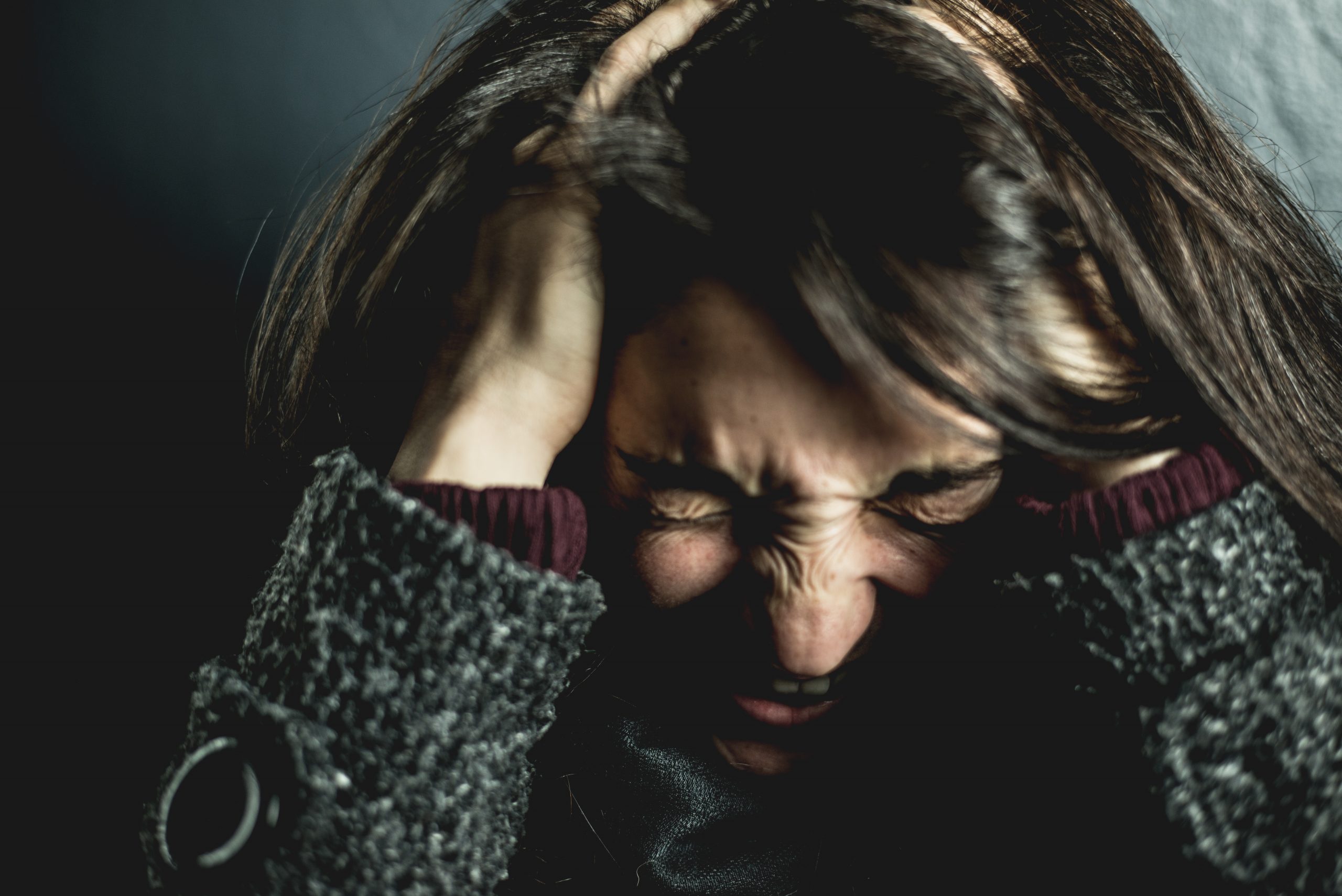
So how can people help introverts to avoid unwanted anxiety in potentially stressful situations?
- Avoid unwanted attention by looking at any social cues they may giving off. Look at their body language, facial expression. Just because they don’t want to interact, it doesn’t mean they aren’t paying attention.
- Accept that sometimes, you cannot force us to be someone we aren’t or do something we feel uncomfortable doing.
- Introverts work better one to one. As such, leaving questions to answer in a more private setting instead of a crowd can be massively helpful in reducing anxiety and allowing them to engage on a level they feel more comfortable with.
Stop and think.
You may expect something an introvert isn’t able to or willing to give you. Put yourself in their shoes. And ask yourself if you would feel comfortable being publically forced to do something you don’t want to. If the answer is no, then don’t force someone else to.
I’m not going to lie. Being sociable is a huge thing for me. Even with family members and friends. As a blogger, being active on social media is a must. But don’t get me wrong, this is something I have to force myself to do too. Engaging, picking up conversations, sharing my day. All of this is something I put a lot of effort into, and as such, it is on my terms when I want to.
So remember, introverts do not owe you their voice. They do not need changing, nor do they need to be forced to be sociable. They need to be allowed to be themselves and accepted as much in the same way extroverts are.




Comments
Yes! I’ve always been quiet and I’m so used to people talking over me and not being listened to, especially when I was at school!
Great article = I was the exact opposite- the life and soul, the big mouth, the comedian and I was made to think there was something wrong with me, too. My husband was/is the exact opposite – he sounds just like you – and he always felt that there was something wrong with him because he didn’t get involved in much. The effect it had on his self esteem was astounding.
Introvert too! Certainly no shrinking violet either – its my nature
Yes to this!!
My girls and I are all quiet. My teachers used to say I needed to talk more and my girls teachers said the same too. I used to get so stressed if I was made to talk out loud in class and my girls would do anything to avoid it.
I have been told I am stuck up and aloof because I am quiet. My friend says I am the sensible one. While she was talking and talking I was there listening, taking everything in and finding out more about people.
I feel lucky that my youngest is in a school that respects introverts and don’t push her to speak up in class. It has given her so much more confidence and if she is in a small class she has started to put her hand up now and again. x