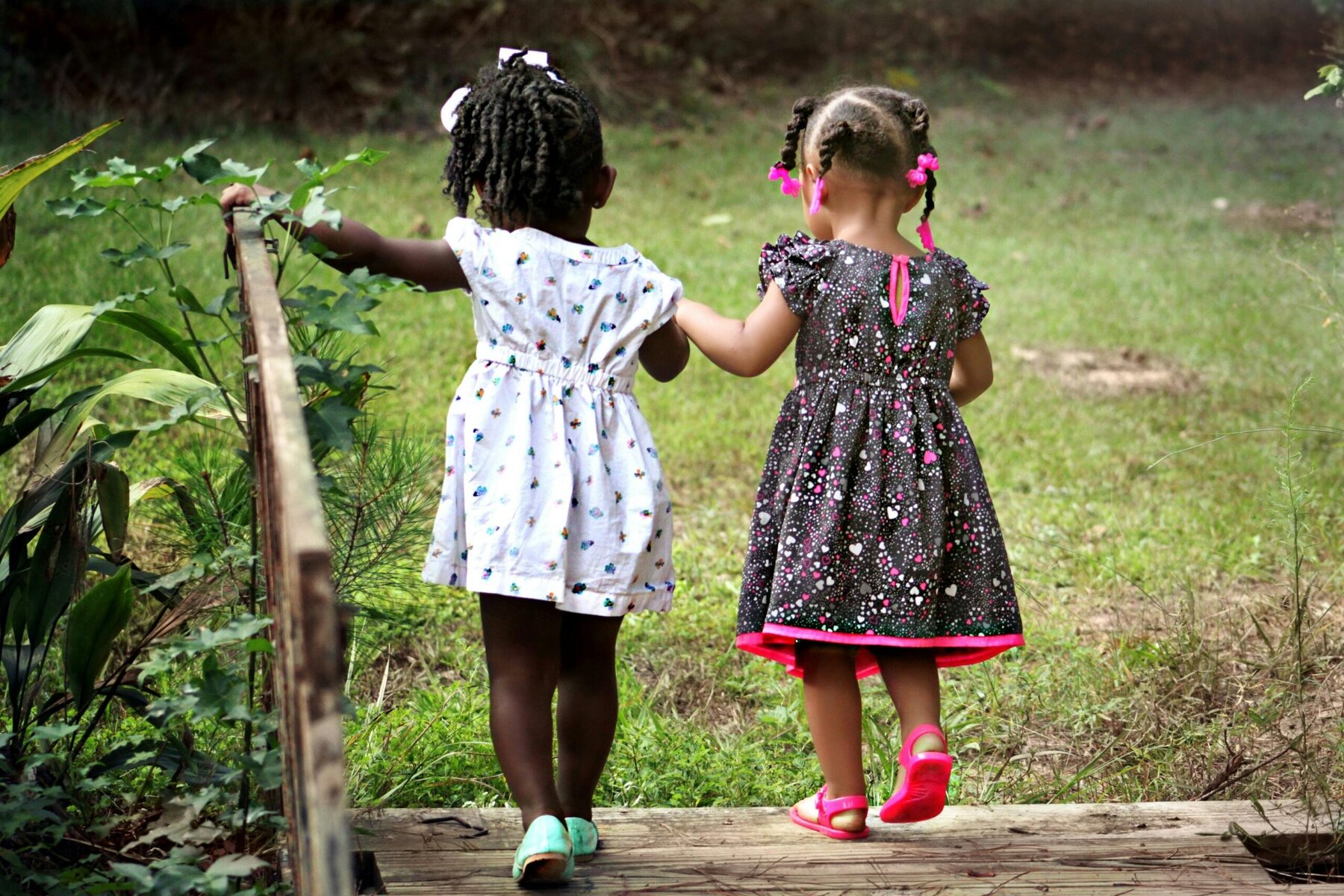
How to Raise a Compassionate child
Raising a compassionate child is one of the most valuable gifts parents can offer. Compassion helps children develop empathy, kindness, and the ability to connect meaningfully with others. While some aspects of empathy come naturally, there are practical ways to nurture compassion in your child from an early age.
Lead by Example
Children learn far more from what they see than what they are told. Demonstrating compassion in everyday interactions is essential. Show kindness to others, whether it’s helping a neighbour, listening attentively to a friend/teacher in the classroom, or expressing gratitude. When children witness these actions regularly, they internalise the importance of caring for others and are more likely to emulate them.
Encourage Emotional Awareness
Understanding emotions is the foundation of compassion. Help your child recognise their own feelings by naming emotions and discussing them openly. For instance, if they are upset after an argument, guide them to express how they feel and why. Encourage them to consider how others might feel in similar situations. This emotional awareness fosters empathy, a key component of compassionate behaviour.
Foster Acts of Kindness
Small, deliberate acts of kindness can have a big impact on developing compassion. Encourage your child to help around the house, support a friend in need, or participate in community activities. Praise their efforts, not just the outcome, to reinforce that the intention behind their actions matters. Over time, these small gestures become ingrained habits that shape a compassionate character.
Read and Discuss Stories
Books are powerful tools for teaching empathy and understanding. Choose stories that feature diverse characters and situations, and read them together. After reading, ask questions like, “How do you think this character feels?” or “What would you do in their place?” Such discussions help children explore different perspectives and develop a deeper understanding of human emotions.
Create a Safe and Supportive Environment
Children thrive in environments where they feel secure and valued. Encourage open communication and listen attentively to their concerns. Avoid harsh criticism and instead guide them with understanding and patience. When children feel emotionally supported, they are more likely to extend empathy and kindness to others.
Encourage Reflection
Teach your child to reflect on their actions and their impact on others. Simple questions like, “How do you think that made your friend feel?” or “What could you do differently next time?” help children develop moral reasoning and a sense of responsibility. Reflection nurtures self-awareness and strengthens compassionate behaviour over time.
Raising a compassionate child is an ongoing journey that requires patience, consistency, and mindful guidance. By modelling kindness, fostering emotional awareness, encouraging acts of kindness, and providing a supportive environment, parents can help their children grow into empathetic, caring individuals. Compassion not only benefits the child but also contributes to a more understanding and connected society.


