How to Be More Involved in Your Child’s Education
Every parent wants the best for their child, and one of the most powerful ways to support their success is by being actively involved in their education. When parents show interest in what their children are learning, it boosts motivation, confidence, and overall achievement. The good news? You don’t need to spend hours on schoolwork to make a meaningful difference.
Here are simple, effective ways to become more involved in your child’s educational journey, no matter how busy life gets.
1. Stay Connected with the School
Strong communication between home and school builds a supportive network around your child.
Try:
- Reading newsletters or school emails
- Checking the school website or app regularly
- Attending curriculum evenings and workshops
- Reaching out to teachers when needed
Staying informed helps you understand what your child is learning and how to support them.
2. Build a Routine Around Homework
Homework doesn’t need to be a battle. Creating structure helps children build focus and independence.
Tips:
- Agree on a consistent homework time
- Provide a quiet, clutter-free workspace
- Stay nearby if they need help (but avoid doing the work for them)
- Encourage breaks to avoid fatigue
Your presence and encouragement show them that learning matters.
3. Ask About School—And Really Listen
The classic “How was school today?” often leads to short answers. Try asking more specific, open-ended questions.
Examples:
- “What was something interesting you learned today?”
- “Did anything make you laugh?”
- “What was the most challenging part of your day?”
Listening with interest helps your child feel supported and valued.
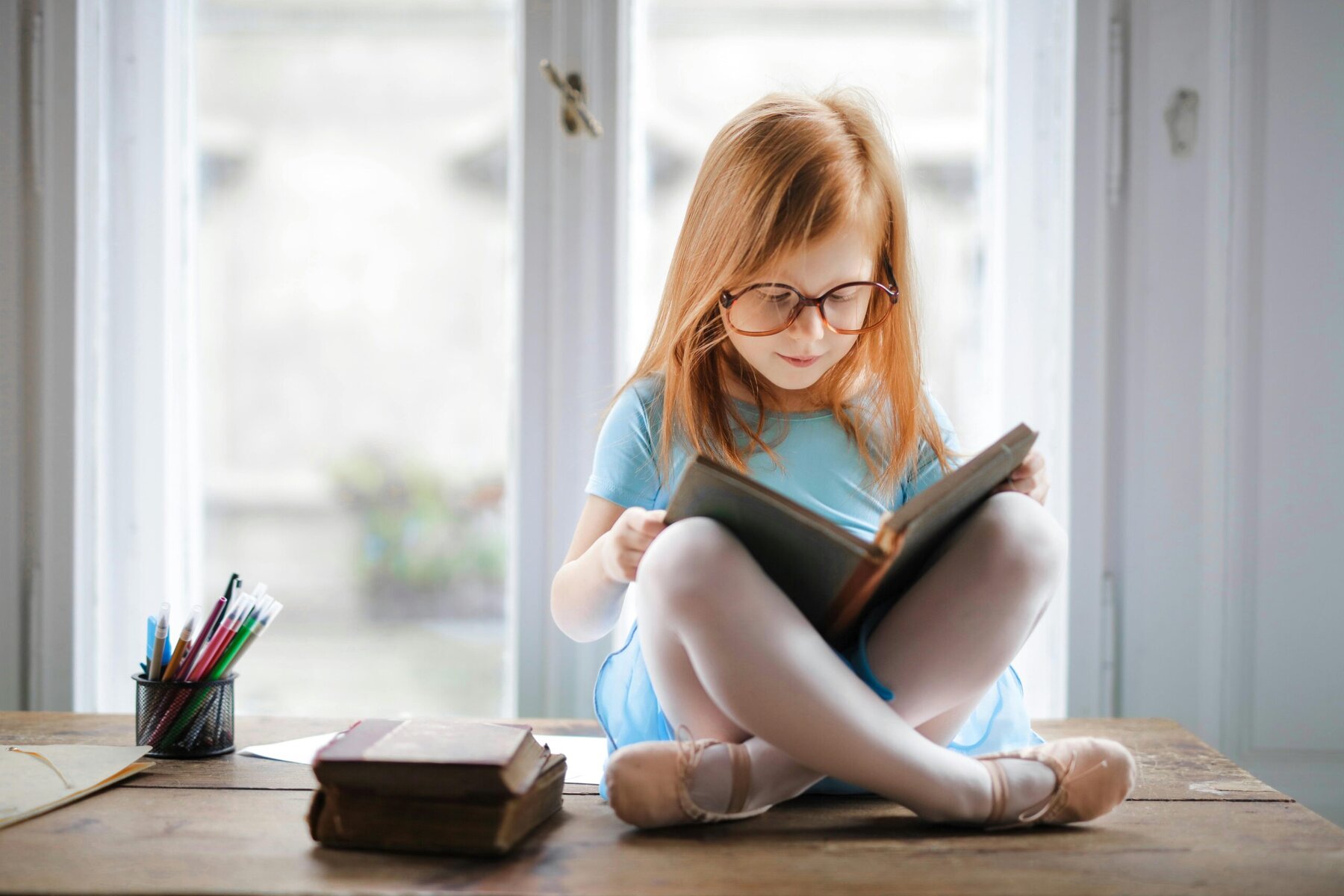
4. Read Together Whenever Possible
Reading is one of the most impactful things you can do to support learning. It strengthens vocabulary, imagination, and comprehension, skills essential across every subject.
Try:
- Reading bedtime stories
- Sharing magazines or newspapers
- Talking about books, characters, and plots
- Visiting the library together
Even older children benefit from shared reading time and discussions.
5. Encourage Curiosity at Home
Learning doesn’t only happen in the classroom. Children thrive when curiosity is nurtured in everyday life.
Encourage:
- Asking questions
- Exploring interests
- Doing small projects or experiments
- Watching educational videos or documentaries
When you show excitement for learning, your child will too.
6. Attend School Events and Parents’ Evenings
Being present at school events shows your child that their education is important. Parents’ evenings are especially valuable for understanding progress, strengths, and areas needing support.
If you can’t attend in person, ask for a phone call or online meeting instead. Flexibility still keeps you connected.
7. Support Good Study Habits
Help your child develop the skills they need to become independent learners.
Teach them to:
- Organise their school bag
- Break tasks into smaller steps
- Use lists or planners
- Manage time effectively
These habits build confidence and reduce stress during busy periods.
8. Encourage a Healthy Balance
Academic success is important, but so is wellbeing. Children learn best when they feel happy, rested, and supported.
Make time for:
- Play
- Exercise
- Creativity
- Social activities
- Relaxation
Balance helps children stay motivated and resilient.
9. Celebrate Effort, Not Just Results
Praise the hard work behind the achievements, not just the grade or score.
Say things like:
- “I’m proud of how much effort you put in.”
- “You kept trying even when it was tough—brilliant!”
- “Look at how much you’ve improved!”
A growth mindset encourages children to embrace challenges and keep learning.
Being more involved in your child’s education doesn’t require perfection or endless hours. It’s about showing interest, offering support, and celebrating their learning journey. When parents and schools work together, children feel more confident, motivated, and ready to reach their full potential.
Small actions add up, and your involvement can make a lasting difference.


