Tips for Pest Control With Dogs
I don’t know about you, but our local area has a spate of mouse infestations every year. Local shops run out of pest control measures, and more and more share the horror of waking up in the night to that scratching. I’m no different. Year after year, I struggle to find an effective pest control solution for various pests, from the minute spiders that seem to breed on my washing line to mice and so many flies.
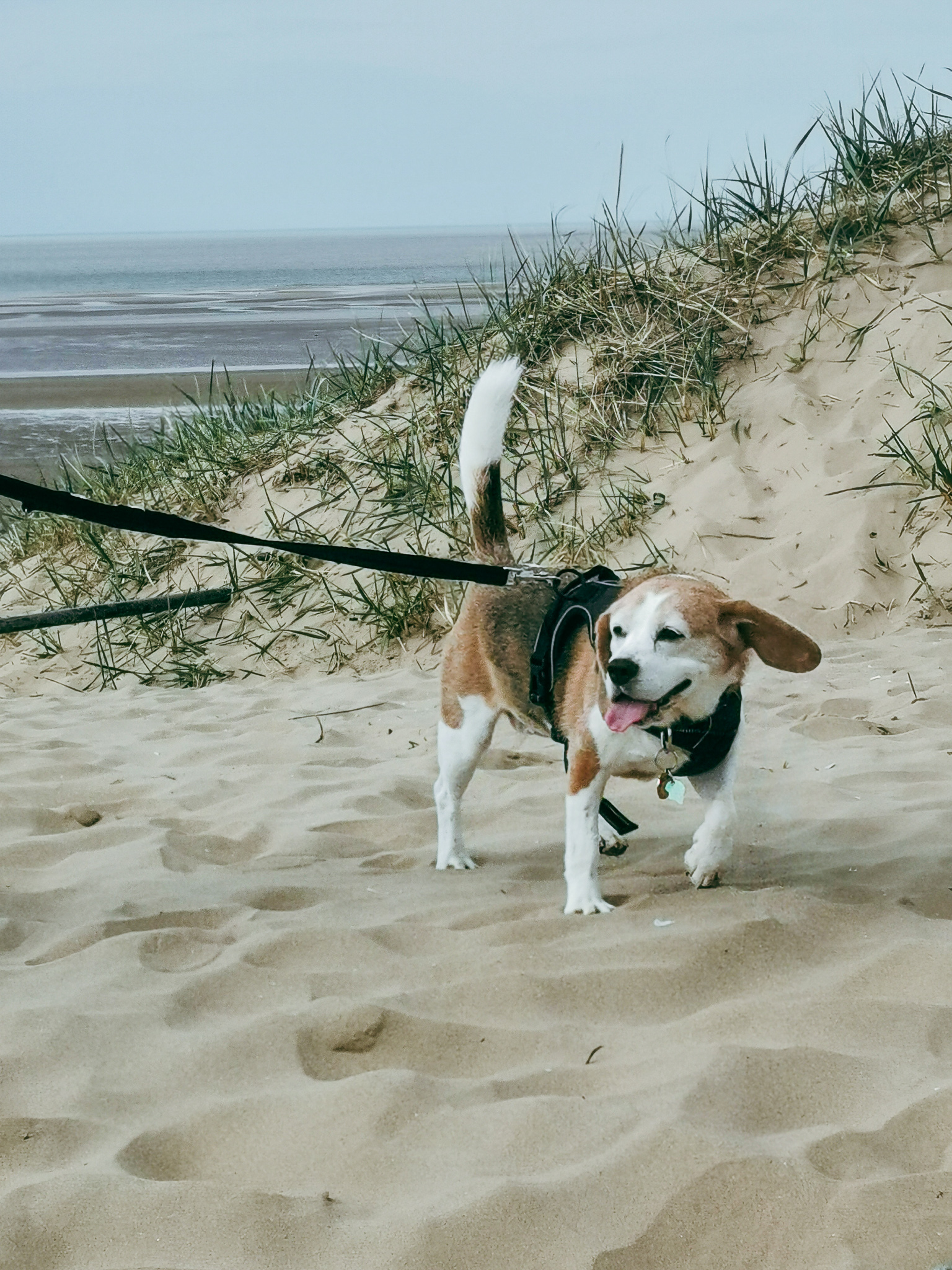
However, up until now, I have never thought about what type of pest control I use and how safe it is. Olivia and I know to keep away from anything I put down, so I use poison and baits liberally and in plain view for maximum effect. But now we have a dog. A beagle no less who loves to explore with her nose and check things out with her tongue (unless it’s her dinner, then it’s a no all round!)
I have a bottle fly trap hanging in the garden out of Tegan’s reach for flies. While it’s not 100% perfect, I can see from the bottle that it is working, and there are so many flies there already. Bluebottles especially sets her anxiety off, and she ends up running around the house snapping at them. But how to tackle ground-based pests is the next issue.
What is the best pest control when you have pets?
Pest Control With Dogs At Home
I hope that the yearly influx of mice won’t happen this year due to Tegan being here, meaning she is in herself a form of pest control, and I will be thrilled. However, this isn’t a given and knowing what to use and what not to use around pets to avoid accidental poisoning or injury is vital, especially as I cannot watch her 24/7.
So how do I approach pest control around household pets? If you’re in the same boat, I thought I’d round up some tips to help this summer.
Tips For Pest Control With Dogs At Home
Call Pest Control Experts
Arguably the easiest way for you to make sure you are using safe pest control with dogs is to call in the experts. They will know precisely how to safely treat your infestation without harming your pet or jeopardising their safety. Using pest control services means you can be confident you and your dog are safe, and the matter is being taken care of properly.
Remove Pets From the Area
If you are self-treating the problem, the first thing you need to do is remove your pet from the area for the duration of the treatment and make sure they have no way of accessing it. Even if you have to use a secure pen or lock them in their crate for a little while, it is for their own safety.
Make sure you take everything they use too, including pet food bowls, water bowls, toys, blankets, etc., to avoid any cross-contamination.

Keep Traps and Poisons Out Of Reach
Tegan is an expert in nudging her way into spaces that are too small for her if she even catches a whiff of a new or exciting scent, and the smellier, the better. So if you need to lay traps or poison, pay close attention to where you put them and consider how easily your pet can access them.
Did you know mice prefer chocolate to cheese? In the past, we have always used chocolate to load our traps; however, Tegan loves chocolate (we don’t let her eat it, but the smell is enticing to her), so we would need to ensure that not only does she not set off a trap and hurt herself but also doesn’t eat what is on the trap too.
Pet Safe Products
There is a growing range of pet and child-safe pesticides in the UK for those who have a pest issue in the garden. This makes pest control with dogs easier, as you know they will be safe upon application.
There are also natural remedies you can use without resorting to chemicals. Basil, Catnip, Lavender, Lemon Balm, Peppermint, and Rosemary are remarkable insect and bug repellants. At the same time, cinnamon, vinegar, dryer sheets, clove oil, peppermint, tea bags, mint toothpaste, ammonia, cloves, clove oil, and cayenne pepper are often touted as scents that mice hate. Using these can help you repel any unwanted pests naturally and make excellent products for pest control with dogs.

Check The Label
Always check the label on anything you buy and make sure that the items are suitable as pest repellants but they are safe for use for pets. Especially when using household products or foods in baits and traps (i.e. chocolate, onion and garlic are especially dangerous for dogs)
This way, you can ensure that you are tackling the infestation and keeping your pet safe too.
Hopefully, this year, we can avoid the dreaded mouse invasion come late summer-early autumn, and this new fly trap removes the bulk of flies coming into the house.
Do you have any tips for pest control with dogs for me to try?