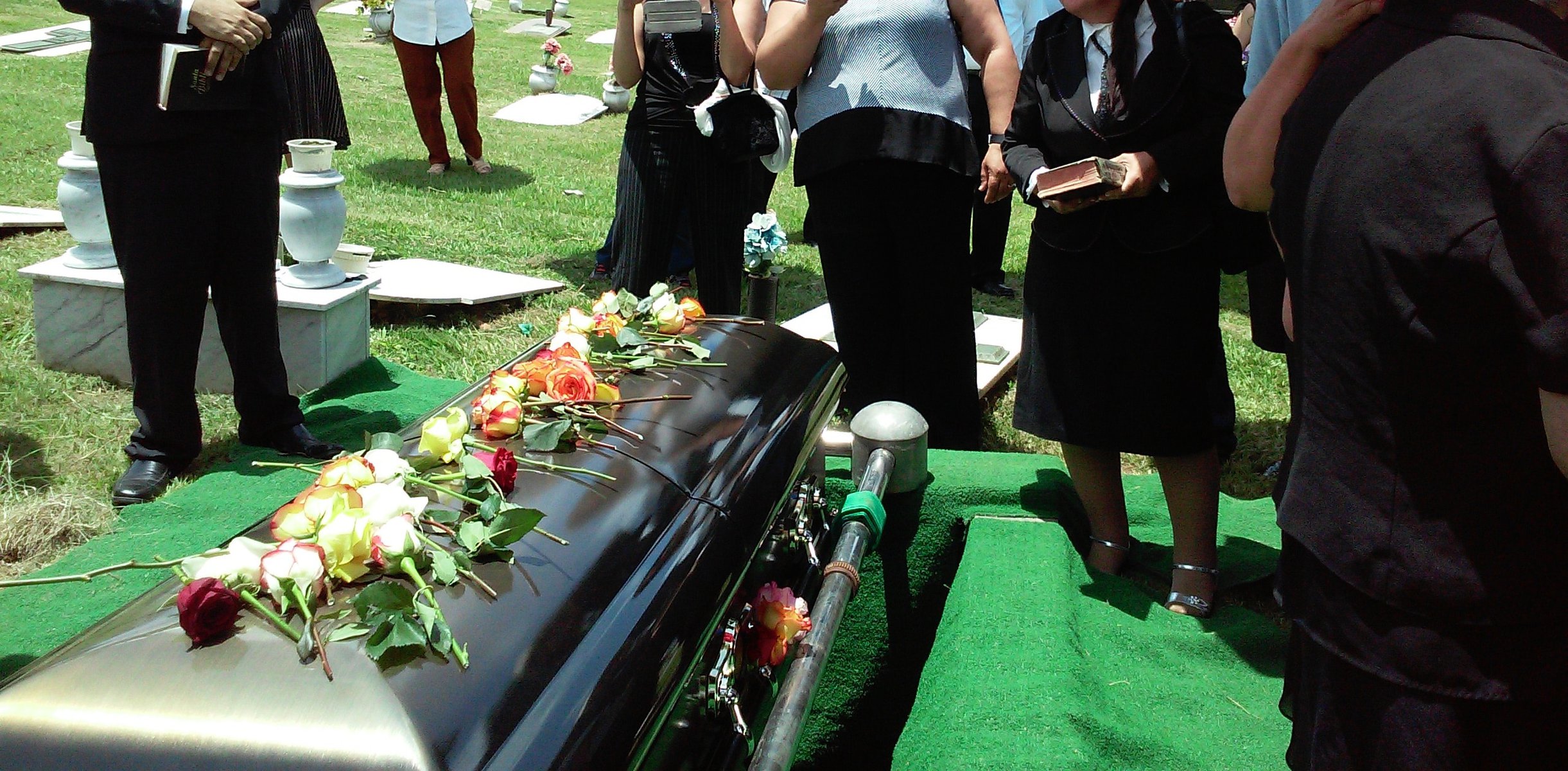
How to help children cope with death
If you are seeking to help children cope with death, then it is likely that you too are experiencing grief. It is essential to acknowledge that dealing with your feelings is challenging; without the addition of caring for young people. We hope you feel better soon too.
Right now though your concern is with your little people. You are aware that death is a complex event for anyone. Death is even more challenging for someone who has yet to develop a personal sense of mortality. The permanence of death can be hard to accept, and children more than adults are prone to magical thinking. They will believe that if only they were well-behaved and good at school, then this person will return. Children will also puddle-jump, as psychologists call it. Here children will be upset one moment and then swing to being entirely focused on a game the next.
It is, therefore, challenging what to do for the best. You will want to shield the child from as much distress and trauma as possible without leading them to believe life can be lived without loss.
Talking to children about death
You may want to avoid frightening young people. Therefore, you will be tempted to use language that lessens the reality of death. However, children will not understand phrases like “passed on” and they may be more frightened by the idea of the “final sleep”.
So, when you are explaining that someone has died, you should use straightforward words like “dead”. You should also answer the questions that children will naturally ask. They should be prepared for what is to come. A child’s imagination is powerful. If you leave ambiguous gaps, they will fill them with stories of goblins and devils. If they ask: “Why is granny in a box?” tell them honestly that she has died, and we put her in a box so she can be buried. If they ask why we bury her, tell them it is a place we can visit where the idea of granny will live on if though she has gone. It will be an awkward conversation, but one that will be the role model for how your child will deal with death in the future.
What to do next
Once you have told your child that someone close has died, you may expect a reaction. It may be that they do not react at all. You should not try to force a response. Death is a difficult concept and not one that may be immediately processed. Wait and see and be there for when the impact is felt. It might not be until the child manages to accept the permanence of the loss that they feel the grief you expect.
Try hard to maintain routines. Your child will feel safe when everything is normal. If there are flexible bedtimes and no school, if they can eat what they like and there is no need for chores – you may feel you are kind – but they may feel this lawlessness and you not controlling their world anymore.
Continue to answer the questions they have as honestly as possible. When talking to them, tell them what is coming next and prepare them for the funeral and the visit of relatives.
Be aware, children over the age of five may attempt to mask emotions for fear of upsetting you more. They will pursue a duty to care for you and others and try to make everything better. You just need to watch more closely. Look for signs that they are regressing in behaviour, such as requiring a dummy or forgetting their toilet training. If the child is at school, ask the school to inform you if they continue to fall behind as time passes.
When to seek professional help
Being upset in the aftermath of a death is normal. It is essential to help the child accept that it is reasonable to feel sad. You may even tell them it is ok to feel sad right now. Immediately taking a child to the GP or seeking professional guidance could enforce the idea that it is not healthy to be upset. Therefore, wait for a while and observe the child. If you do begin to worry that the effects of grief are becoming long-lasting issues, then this may be the time when you seek professional help.




Comments
These are very helpful tips,thanks for sharing x