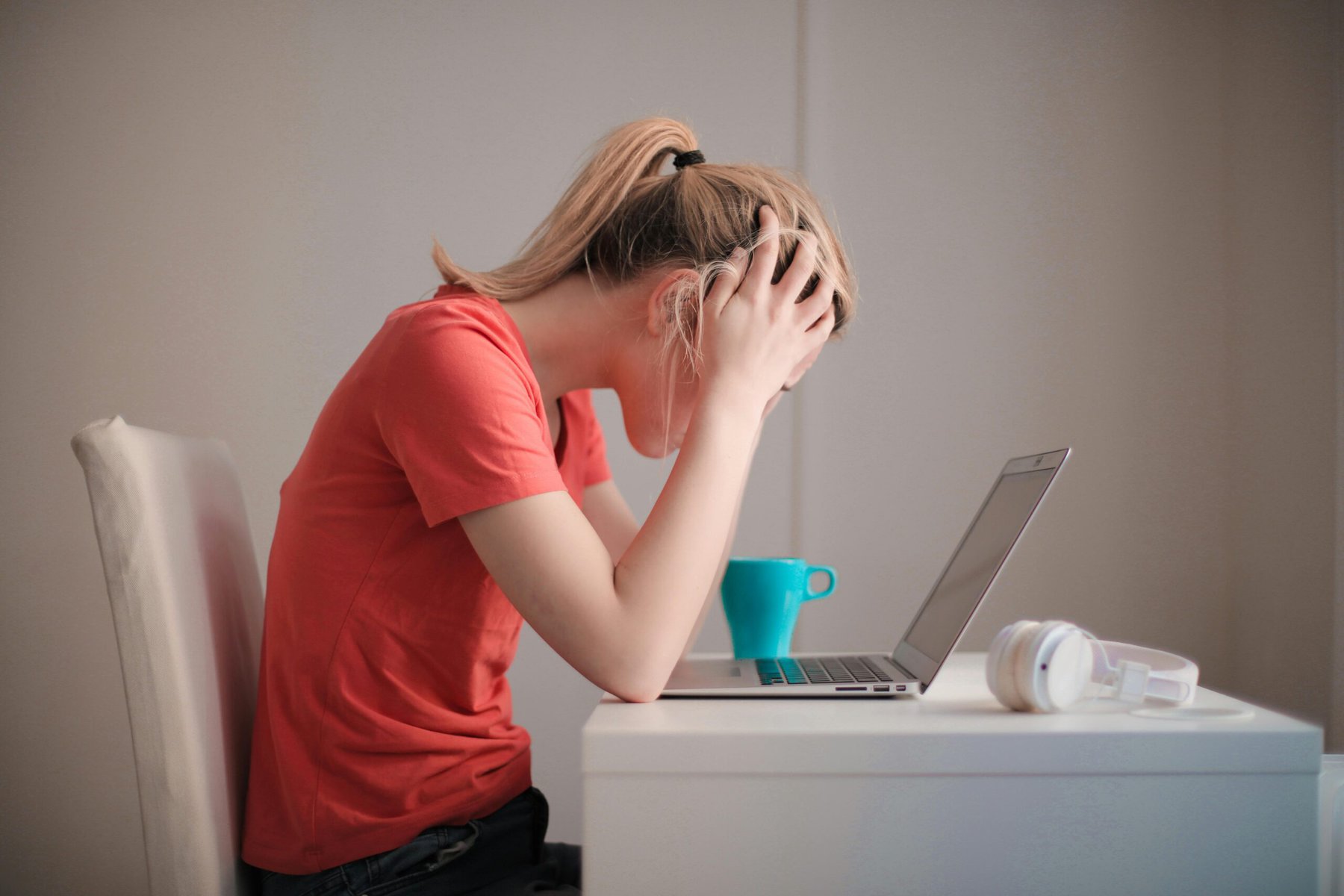
Social Media and Anxiety: Are We More Anxious Than Ever?
Social media connects us like never before. With just a tap, we can share moments, connect with friends, and stay updated with the world. But behind the likes, comments, and endless scrolling, many people feel more anxious than ever.
The question is worth asking: Does social media increase anxiety, or are we simply more aware of it today? The answer lies somewhere in between. While social platforms provide benefits, they also create pressures that affect mental health, especially anxiety levels.
The Rise of Social Media
Over the last two decades, social media has become a central part of daily life. According to DataReportal’s Digital 2023 report, more than 4.76 billion people worldwide use social media—over half of the global population【DataReportal, 2023】.
This widespread use means social platforms shape how we communicate, view ourselves, and interact with the world. But it also means the risks are greater when these tools affect mental health negatively.
How Social Media Fuels Anxiety
1. Comparison Culture
Scrolling through polished photos and highlight reels makes it easy to compare yourself to others. Whether it’s careers, relationships, or appearances, constant comparison can fuel feelings of inadequacy.
Research published in the Journal of Social and Clinical Psychology found that people who limited social media use to 30 minutes per day reported reduced anxiety and depression compared to those with unrestricted use【Hunt et al., 2018】.
2. Fear of Missing Out (FOMO)
Social media creates the illusion that others are always having fun, achieving more, or living better lives. This can trigger FOMO, leading to anxiety about being left out or falling behind.
The American Psychological Association (APA) notes that FOMO is strongly linked to social media use and higher stress levels【APA, 2020】.
3. Information Overload
The constant stream of news, notifications, and updates can overwhelm the brain. Too much information increases stress and makes it harder to relax.
4. Cyberbullying and Online Harassment
Negative comments, trolling, or cyberbullying are real risks. A Pew Research Center survey found that 59% of U.S. teens have experienced some form of cyberbullying, which significantly raises anxiety and stress【Pew, 2018】.
5. Sleep Disruption
Late-night scrolling affects sleep, which directly impacts mental health. The Sleep Foundation reports that screen time before bed disrupts melatonin production, making anxiety symptoms worse【Sleep Foundation, 2021】.
Are We Really More Anxious Than Ever?
Anxiety has always been part of human life, but modern lifestyles amplify it. The World Health Organization (WHO) reported that the global prevalence of anxiety disorders rose by 25% during the first year of the COVID-19 pandemic【WHO, 2022】. While the pandemic played a role, social media also became a constant source of news, uncertainty, and pressure during that time.
For teens and young adults, the connection is especially strong. A study in JAMA Psychiatry found that adolescents who used social media more than three hours a day were at higher risk of developing mental health problems, including anxiety【Keles et al., 2020】.
This doesn’t mean social media is the only cause of rising anxiety, but it is a powerful contributing factor in today’s digital world.
The Positive Side of Social Media
It’s important to remember that social media isn’t all negative. It can:
- Provide connection for people who feel isolated
- Offer support groups for mental health challenges
- Spread awareness about mental health and reduce stigma
- Encourage creativity and self-expression
For many, social media is a lifeline. The problem arises when use becomes excessive, unbalanced, or tied to constant comparison.
Healthy Social Media Habits
The key is not to avoid social media completely, but to use it in healthier ways. Here are practical strategies:
1. Set Time Limits
Use built-in screen-time trackers to limit daily use. Even reducing by 30 minutes can lower anxiety.
2. Curate Your Feed
Follow accounts that inspire positivity and unfollow those that trigger comparison or negativity.
3. Take Breaks
Practice a “digital detox” by scheduling time away from screens. A weekend without social media can refresh your mind.
4. Avoid Late-Night Scrolling
Keep devices out of the bedroom to protect sleep. Replace nighttime scrolling with calming activities like reading or journaling.
5. Engage with Purpose
Instead of mindlessly scrolling, use social media to connect meaningfully—send messages, share encouragement, or join supportive communities.
When to Seek Help
If social media use leads to constant anxiety, depression, or isolation, it may be time to seek professional support. Therapists can help identify unhealthy patterns and develop coping strategies.
According to the National Alliance on Mental Illness (NAMI), anxiety disorders affect over 40 million U.S. adults each year, but only about 37% receive treatment【NAMI, 2022】. Seeking help is a strong step toward balance.
Conclusion
Social media has changed the way we live, bringing both opportunities and challenges. While it offers connection and community, it also fuels anxiety through comparison, FOMO, and constant stimulation.
The truth is, we may not be more anxious as a species than ever before—but the modern digital world, especially social media, amplifies our stress in new ways. By setting boundaries, curating content, and practicing mindful use, we can protect our mental health while still enjoying the benefits of connection.


