Ensuring Your Child Grows Up Environmentally Conscious
In today’s world, raising children who are aware of their environmental impact is more important than ever. Encouraging eco-conscious habits from a young age not only nurtures responsible citizens but also helps protect our planet for future generations. But how can parents integrate sustainability into everyday life in ways that are engaging and practical for children?
Lead by Example
Children learn more from what they see than what they are told. Simple habits, like recycling, turning off unused lights, or using reusable shopping bags, can have a significant influence. When children observe their parents making eco-friendly choices, they are more likely to adopt similar behaviours themselves. It’s important to explain why these actions matter—linking small everyday actions to a broader environmental impact can make the concept more tangible.
Make Learning Fun
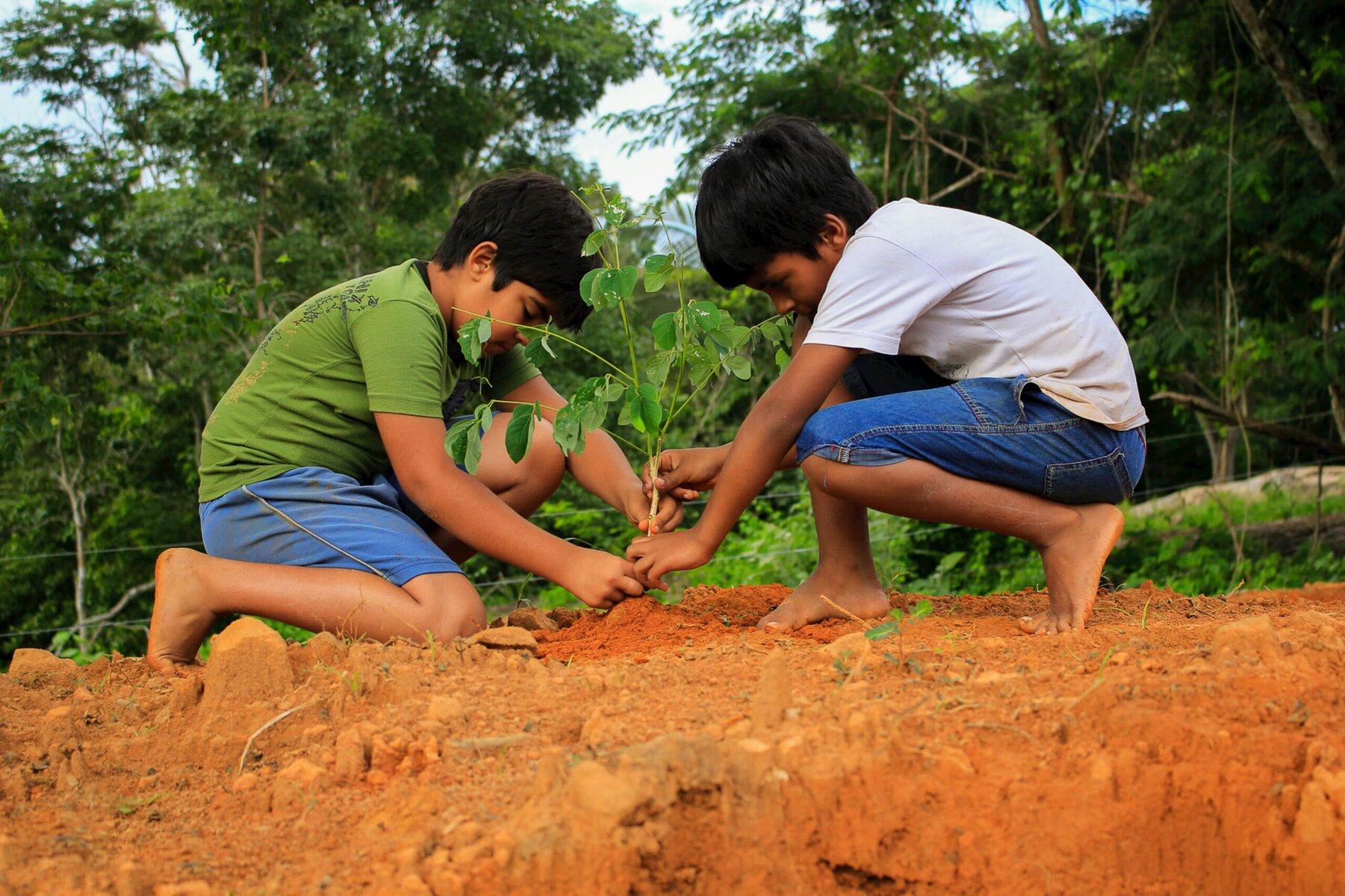
Education about the environment doesn’t have to be boring. Activities such as planting a small vegetable garden, creating bird feeders, or going on nature walks can teach children about ecosystems and sustainability in an interactive way. Many schools now incorporate environmental projects and eco-clubs, giving children hands-on opportunities to explore topics like recycling, energy conservation, and biodiversity. At home, parents can encourage children to participate in simple experiments, like seeing how long it takes for different materials to decompose, which helps them understand the importance of waste management.
Encourage Mindful Consumption
Teaching children to think about the resources they use is another vital step. Encouraging them to consider whether they really need a new toy or piece of clothing fosters an understanding of mindful consumption. Involving children in practices such as repairing broken items, donating old toys, or upcycling household materials can instil the value of reusing and repurposing. Even small actions, such as turning off taps while brushing teeth or using energy-efficient light bulbs, help children internalise the principle that their choices matter.
Promote Outdoor Awareness
Spending time in nature helps children develop a sense of connection and responsibility toward the environment. Outdoor activities like hiking, gardening, or volunteering in local clean-up projects provide hands-on experiences that make environmental issues real and relatable. Children who experience the beauty of their local parks, woodlands, or waterways are more likely to care about protecting them.
Foster Open Conversations
Discussing environmental challenges in an age-appropriate way can empower children to think critically and creatively about solutions. Encourage questions and celebrate their ideas for small changes that can make a difference. Whether it’s choosing eco-friendly packaging at the supermarket or suggesting ideas for reducing household waste, giving children a voice reinforces their sense of agency.
Raising environmentally conscious children is a gradual process that combines example, education, and encouragement. By embedding sustainable habits into daily life and making learning about the environment fun, parents can nurture a generation that values and protects the planet. Every small action counts, and instilling these values from a young age sets children on a path to becoming responsible, eco-aware adults.


