10 Effective Ways To Teach Kids Patience
Patience is more of a virtue and one that is slowly becoming in shorter supply. Instant gratification is the norm in today’s fast-paced world – we have an endless range of entertainment options at our fingertips. Nowadays, kids rarely have to wait for anything, but as an adult delaying things that we want often becomes necessary. Those who never learn patience may struggle more with saving money, building relationships and learning new skills. This is why teaching kids patience should be a priority – so that they can grow up to be more mindful and persevering adults. Below are 10 ways in which you can foster patience in your kids.
Praise kids for being patient
Praise is a simple way to reinforce many good habits – including patience. Many of us may tell off our kids for being impatient while waiting for dinner or going on a long car journey somewhere, however it’s important to remember to praise kids for when they don’t moan about waiting or when they don’t demand things. If kids see that being patient makes their parents happy, they are more likely to wait quietly for things.
Use a timer
Many kids struggle with the concept of time and may not know how long 5 minutes or 20 minutes is. As a result, they may constantly pester you about how much time they have left. Using a timer may help them to visualise how much time they need to spend waiting for things, as well as teaching them how time works. You can use a digital timer or you can use a sand timer (kids may enjoy the suspense of watching the sand flow through the timer as they wait). Timers can not just be useful for getting kids to wait for things, but also for hurrying up kids when you want things done quickly. You can even turn chores into games with timers such as encouraging kids to tidy up their room before the timer runs out.
Cook with your kids
Cooking with your kids can be an opportunity to teach them all kinds of valuable life skills. Patience is often required when preparing ingredients and waiting for food to cook. This patience is rewarded by yummy food that they can enjoy eating at the end. Baking with kids is often a great way to teach patience because kids love cakes and cookies and you can often put more playful creativity into these foods. Check out a few of these kid-friendly baking recipes to try at home. Alternatively, you could let kids help when cooking regular meals (although certain tasks like chopping and putting things in the oven may not be appropriate for younger kids).
Read stories
Reading stories to your child can help to also teach them patience, while also teaching them literacy skills and morals. Young kids can often get bored after reading a few pages to them – try to encourage them to sit through a couple more pages and gradually lengthen reading time by choosing longer books. Once books become too long to read in one sitting, start reading sections and chapters, and reinforce the importance of waiting for the next part of the book if they want to read on. Make sure that reading is not a chore if you want kids to develop a healthy relationship with books – let them pick stories to read and bring some theatrics to the storytelling experience.
Engage in arts and crafts
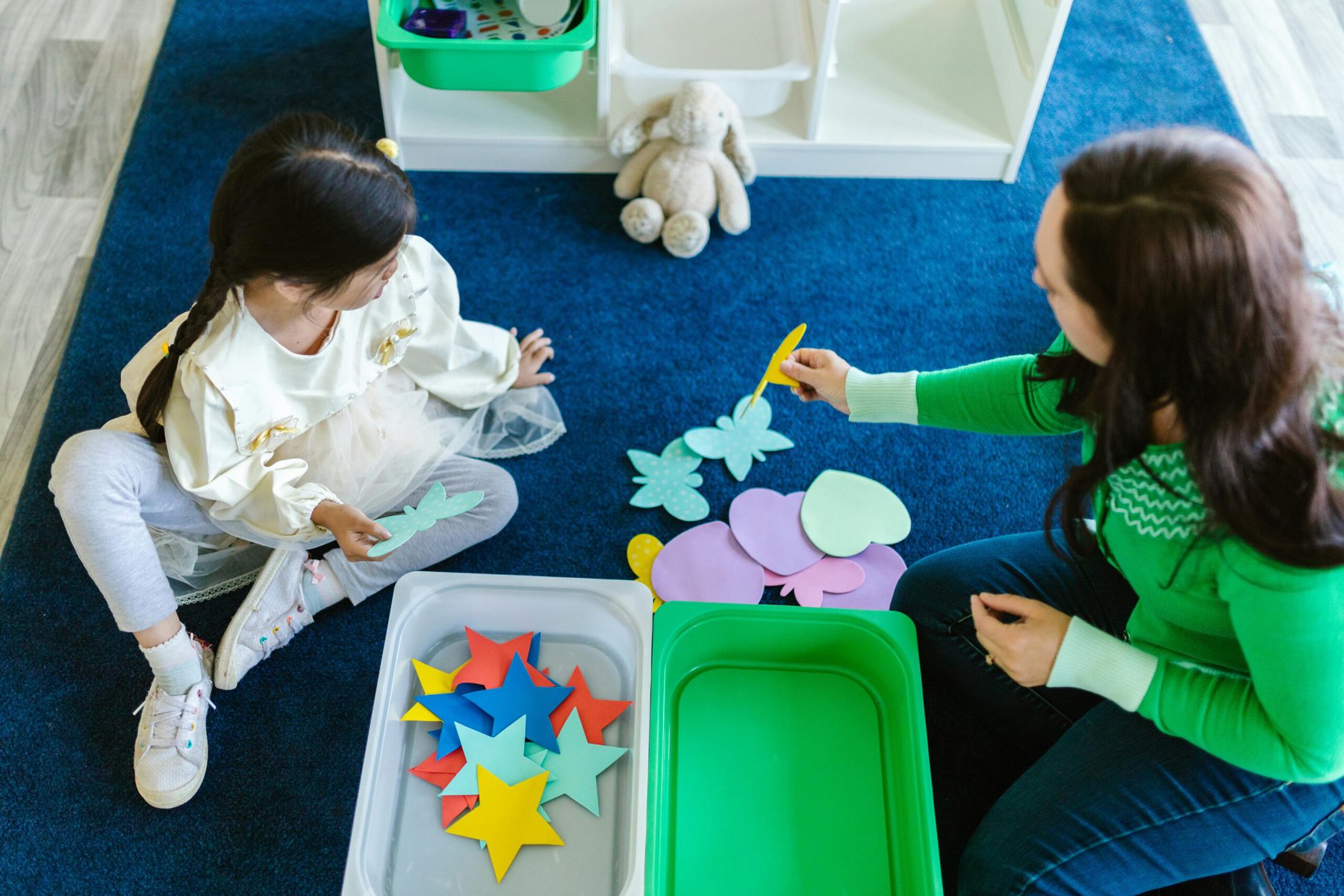
Arts and crafts projects often require a lot of patience – creations have to be built in stages and you may have to wait for glue to set or paint to dry. Such activities can also help to build creative skills and can be a great chance for bonding with your kids by working on projects together. To help your child develop patience, encourage them to complete craft projects step by step and not rush them. Show them the beauty that can come from taking time with the details rather than trying to complete each stage as quickly as possible. You can explore a few different ideas for kids crafts activities here.
Garden together
Gardening is another household task that you can participate in with your kids in order to teach them patience. Letting them take care of their own plants can be a particularly great lesson in patience and responsibility – you can plant seeds with your kids and encourage regular watering or weeding, letting your child see their plant slowly grow over the weeks. This doesn’t even have to be an outdoor plant – you could help them grow a houseplant that could be kept in their bedroom. That said, outdoor gardening could be a chance to get kids outside and become more in tune with nature, and could be more rewarding in the summer months.
Play cards
Card games are excellent for playing with kids – not only are they a fun pastime, but they can teach many life-skills like forward planning and emotional intelligence. Many card games are also great for teaching patience. Teaching kids simple games like Snap and Go Fish can help teach them how to take turns. As they get older, games like Rummy can meanwhile be taught to them, which require patiently waiting for the right card in order to build sets and sequences. Single-player games like Spider Solitaire can also be taught to kids to help build patience. These games can be played online if you don’t have a physical card deck.
Try patience games
There are lots of popular kids games that rely on being patient to win. Sleeping Lions requires kids to be as still as possible in order to win and is the ultimate test of patience. Hide and Seek is also a patience-based game that requires kids to hide for long periods if they don’t want to get found. Even games like Red Light Green Light can teach patience. These are all fun ways to teach your kids the importance of waiting.
Keep a reward jar
When rewarding chores or good behaviours, consider keeping a reward jar. This could be a jar that you put pocket money or sweets into for each good deed. Instead of rewarding kids there and then, a reward jar could be topped up through the week or month and your kids may only be able to access it at certain times – such as at the weekend. This teaches kids to wait for the rewards of their good behaviour rather than getting immediate treats.
Model patience
One of the best things you can do to teach patience to your kids is to be patient yourself. If kids see you constantly snacking before having dinner or impulse buying things, they will think that this is the right way to act. Show that you have the willpower to put things off that you really want to do. You can also model patience when playing waiting games with your kids or when making arts and crafts together. Independently partaking in activities like reading, taking on DIY projects or learning new instruments/skills can also be a way to inspire kids to be patient.
Conclusion
Exploring a few of the above strategies could help you to teach your kids to be more patient. It’s important that you show waiting for things can be fun and rewarding rather than something that is dull and annoying. Start teaching patience to your kids early – getting kids used to waiting while they are young and can make it feel like a more normal part of life.


